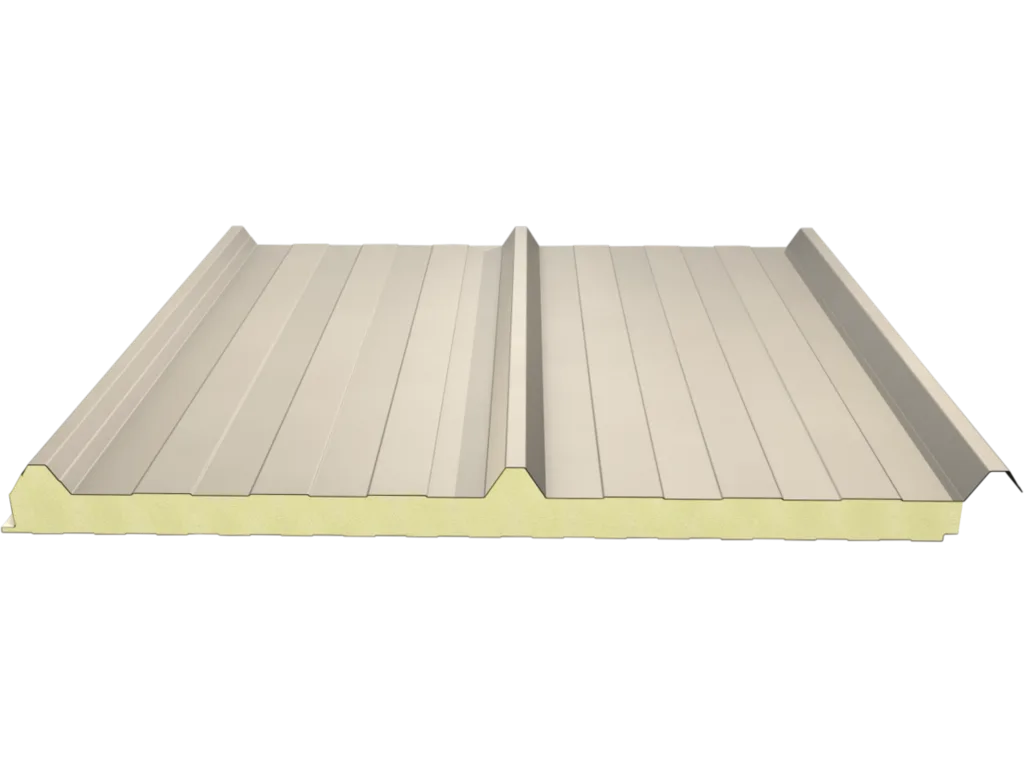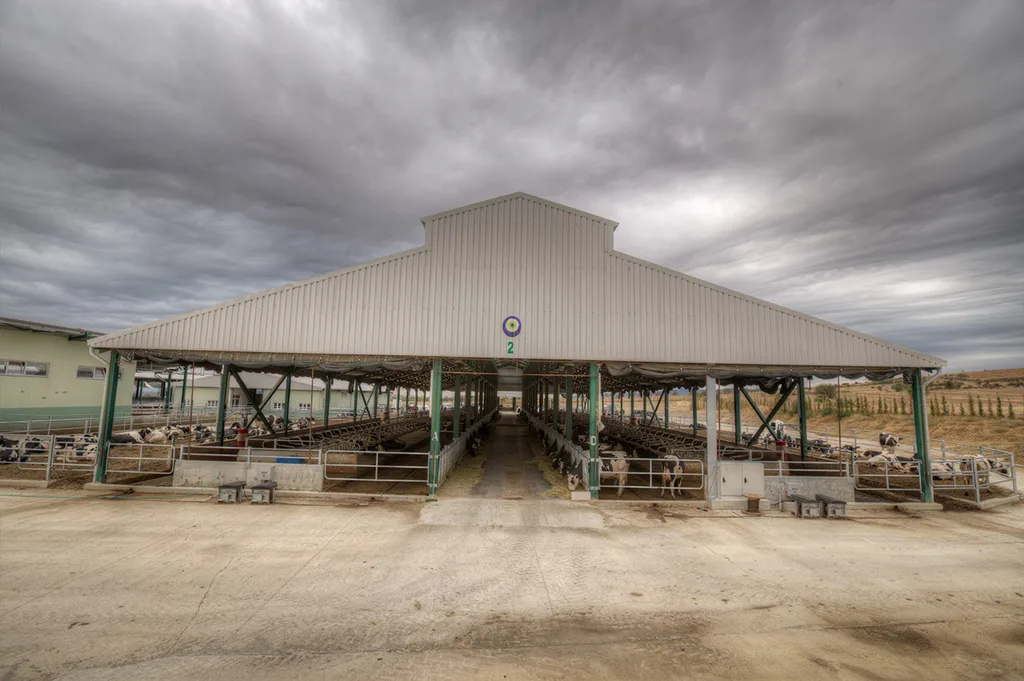
In animal housing, the moisture and the heat come from inside. On an uninsulated roof, moisture condenses on the steel and drips onto the bedding. A sandwich panel separates the outside air from the inside, stops the condensation and makes the building easier to control.
The condensation problem, and insulation
In animal housing, condensation is not a comfort problem but a health problem. Wet bedding raises ammonia levels, and a damp environment opens the way to respiratory disease. Water dripping from the roof also spoils the feed and the mechanical equipment below.
In a sandwich panel system the inner sheet never falls to the outside air temperature, because the insulation core separates the two environments. The panel is produced on a continuous line and the core is pressed to the same density along its whole length. Since there is no point where the insulation thins, no cold spot forms on the inner face.
Building type and thickness
A poultry house and a cattle barn expect different things from the insulation. In poultry production the internal temperature is held within a narrow band, and the building envelope carries most of that load. In cattle housing the aim is only to keep out extreme summer heat and freezing winter cold.
| Building | What the envelope must do | Common thickness |
|---|---|---|
| Poultry house, controlled environment | Narrow temperature band, no condensation inside | 60 mm to 100 mm |
| Cattle barn | Keep out summer heat and winter cold | 40 mm to 60 mm |
| Feed and equipment store | Dry environment | 40 mm |
The thicknesses in the table are common practice in the sector. The exact panel thickness for a project is calculated from the climate where the building stands, the stocking density inside and the mechanical ventilation capacity.
Facing and ventilation
Animal housing is washed constantly and the air inside is chemically demanding. The facing steel is specified as polyester, PVDF or plastisol. Plastisol gives the thickest protective layer and is used where washing is frequent. In the wettest areas, the PVC laminated surface used on cold room panels is also a good choice.
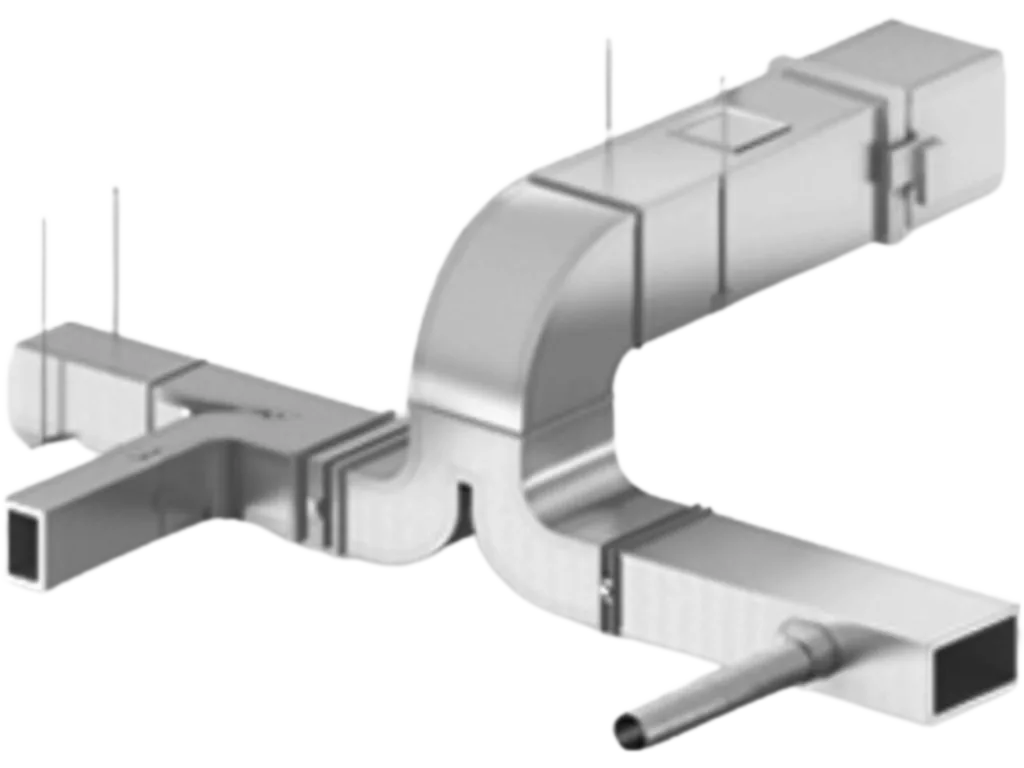
Ventilation works as an inseparable part of the envelope in animal housing. Insulated duct board is used directly for the air handling ducts. These boards form a far lighter system than traditional galvanised ductwork.
Roof span and project scope
Columns disrupt the layout of animal housing and get in the way of cleaning equipment. The span the roof panel can cross therefore matters. For wide purlin spacings, NRP5 and NRP7 profiles are used. The safe spans depend on the number of ribs, the insulation thickness and the gauge of the steel; permitted values are read from the load tables.
The supply scope is limited to the insulated panels and the duct board. Housing equipment, feeding and watering systems, manure scrapers and ventilation fans fall outside it. Technical support for panel selection and correct site installation is provided through the authorised dealer network.
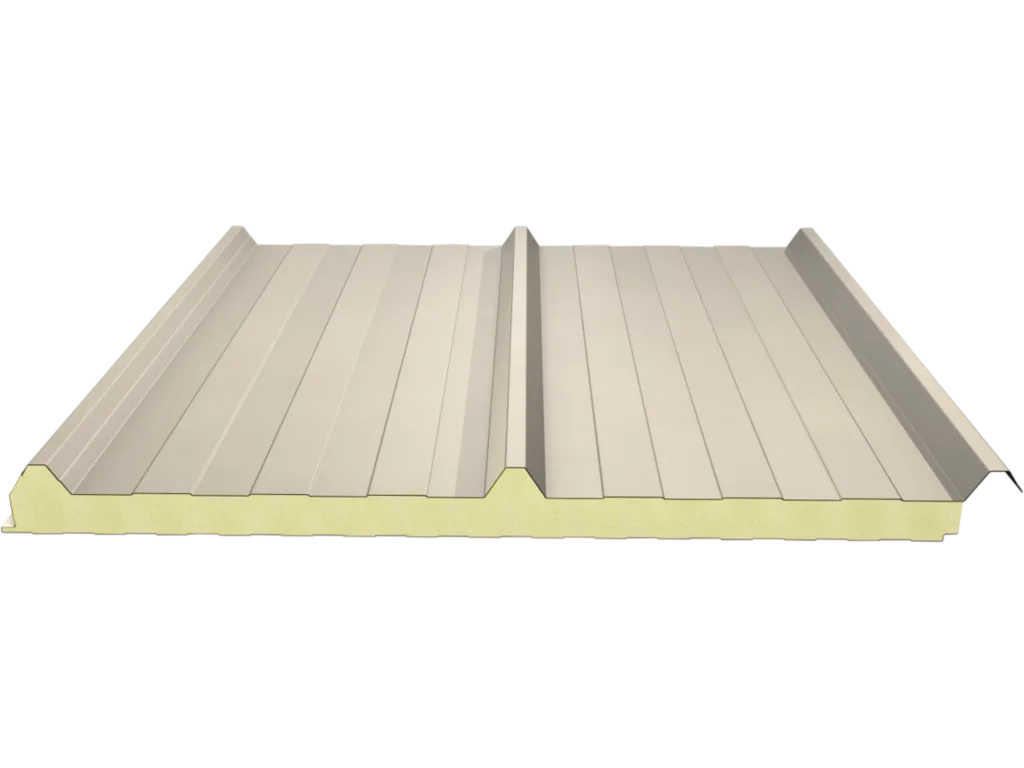
NRP3 PU
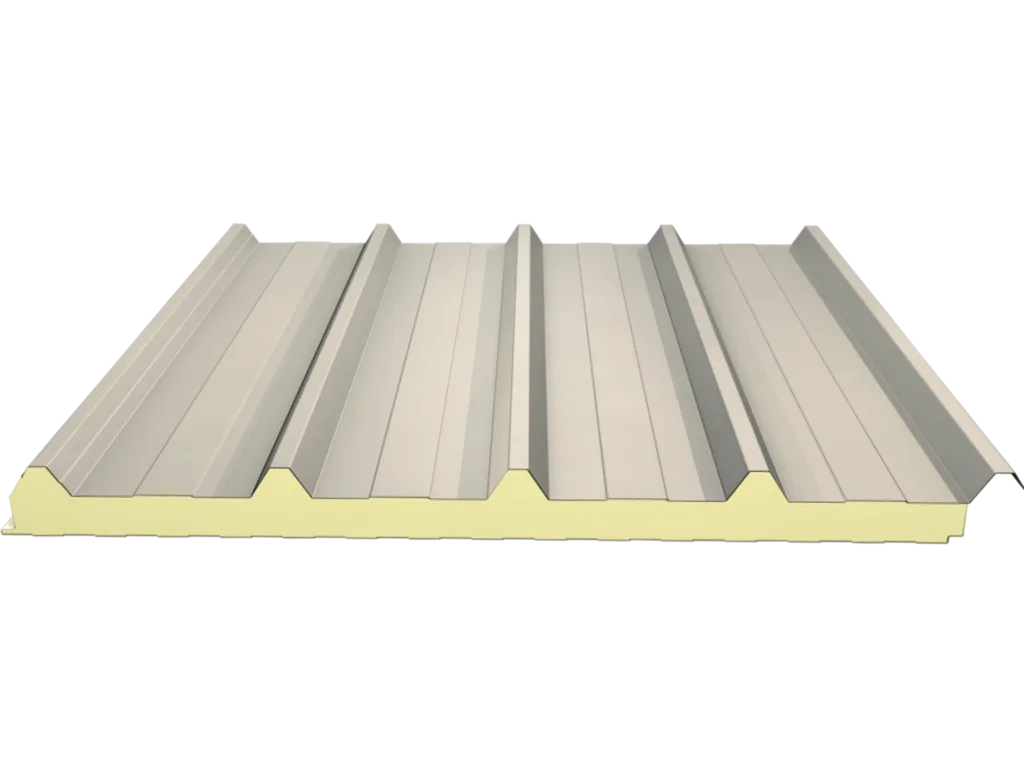
NRP5 PU
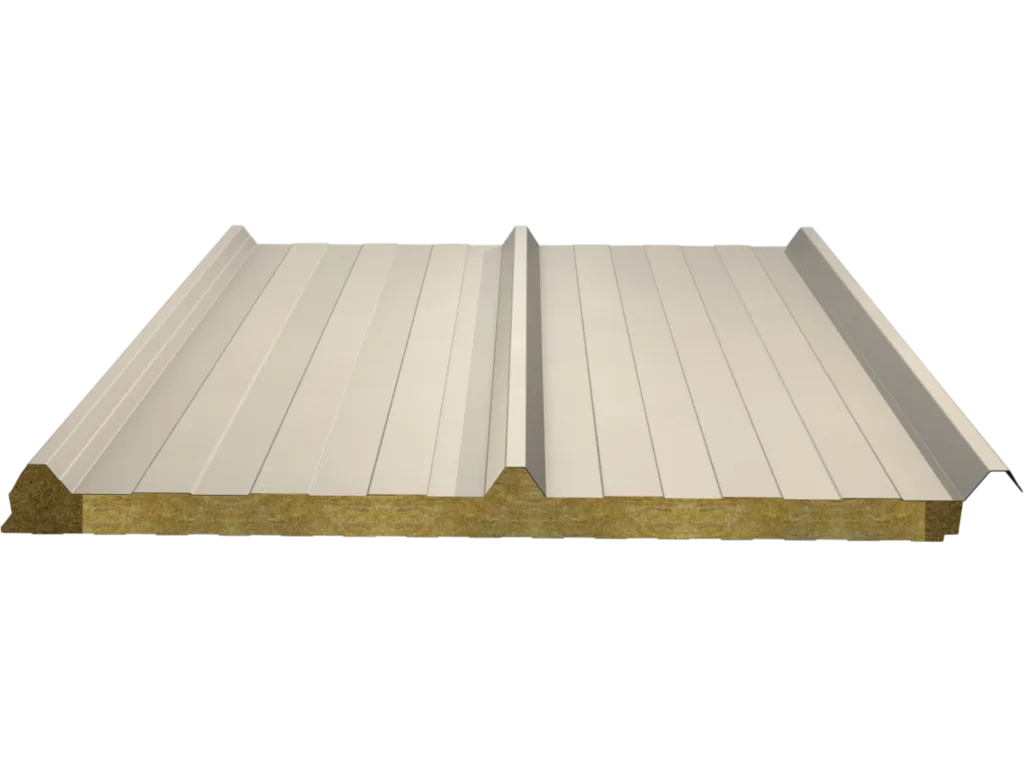
NRP3 Rock Wool
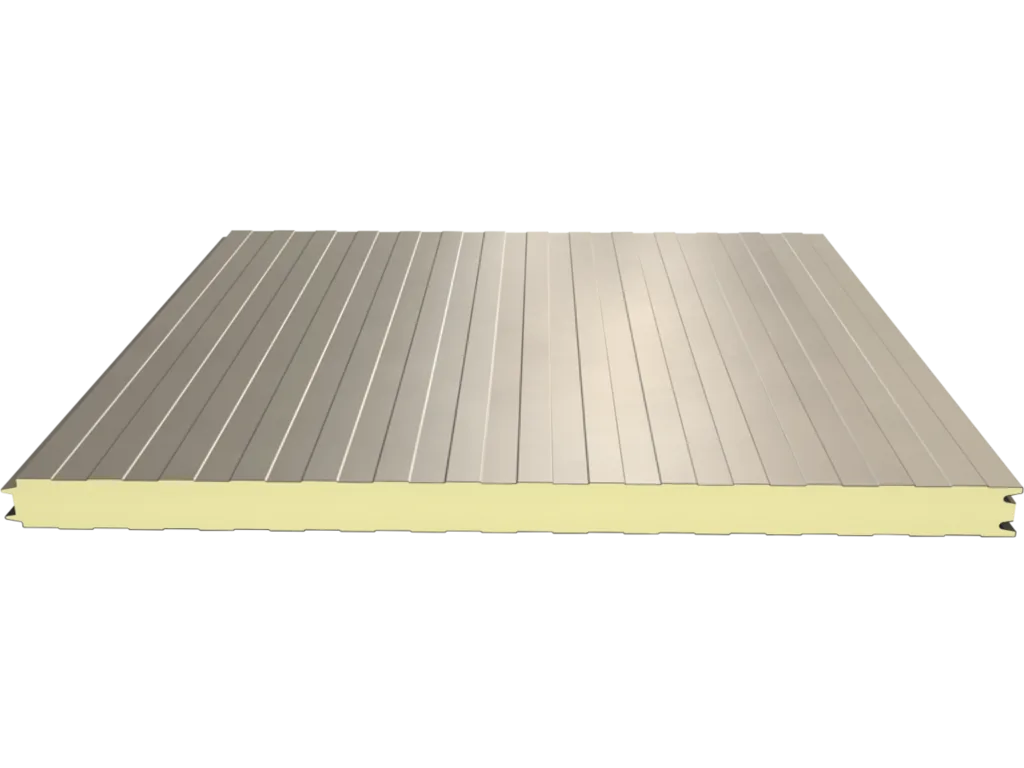
Open Screw Wall - PU
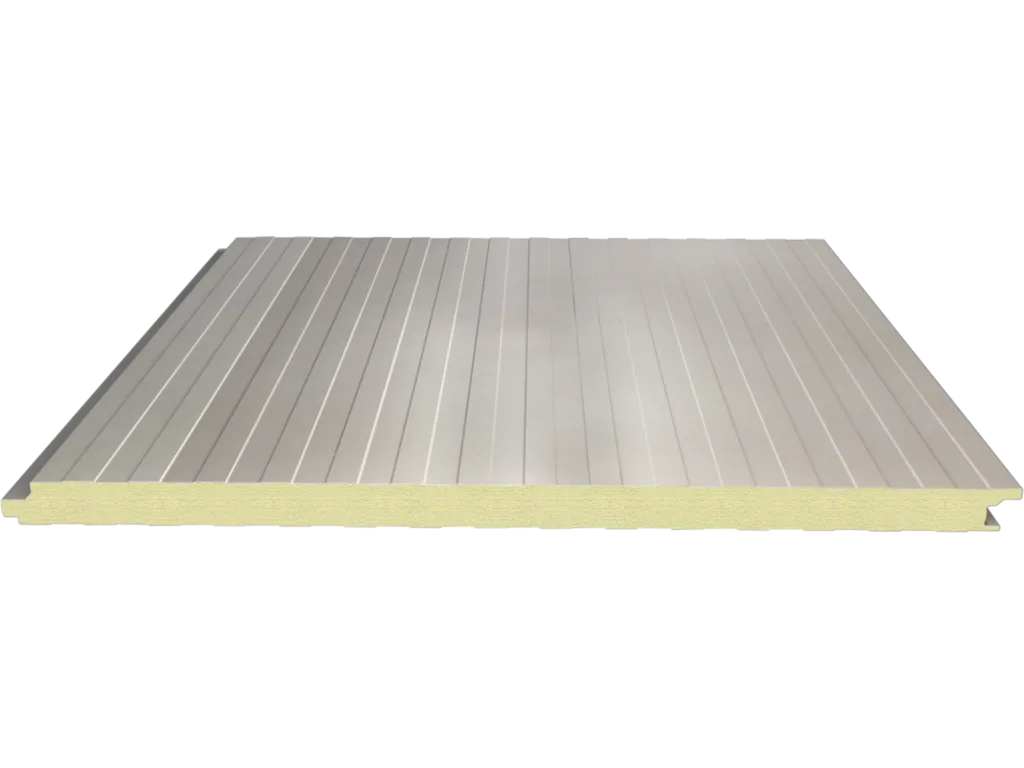
PU Wall Panel
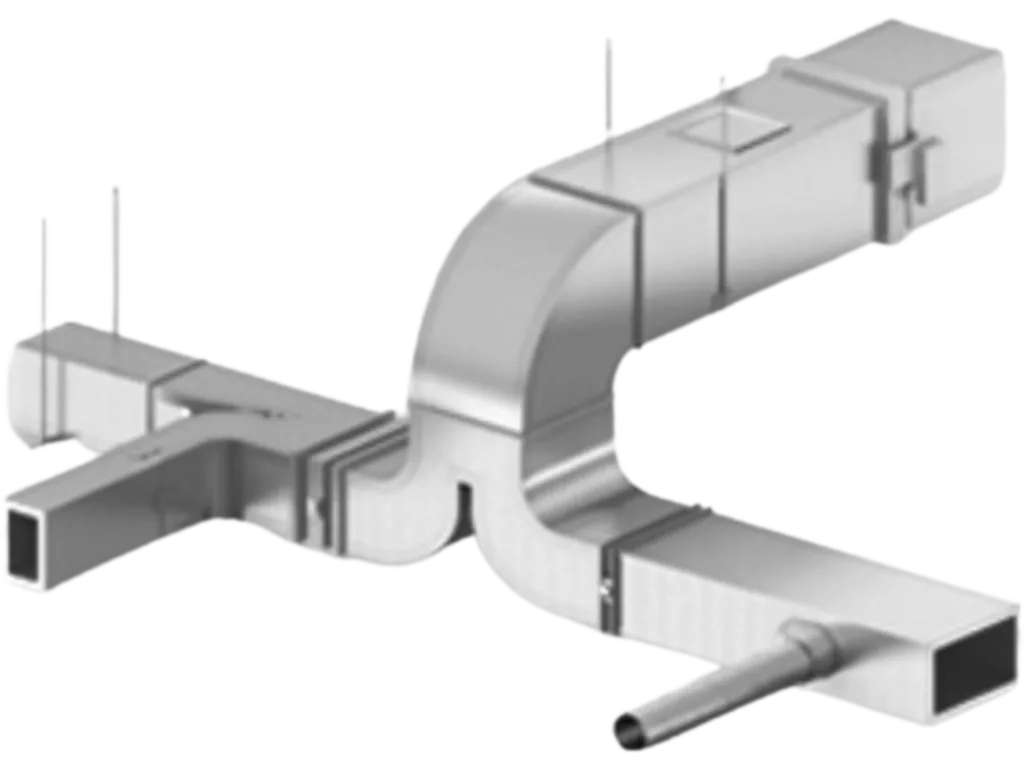
NKS 20 80/80
NKS 30 80/80