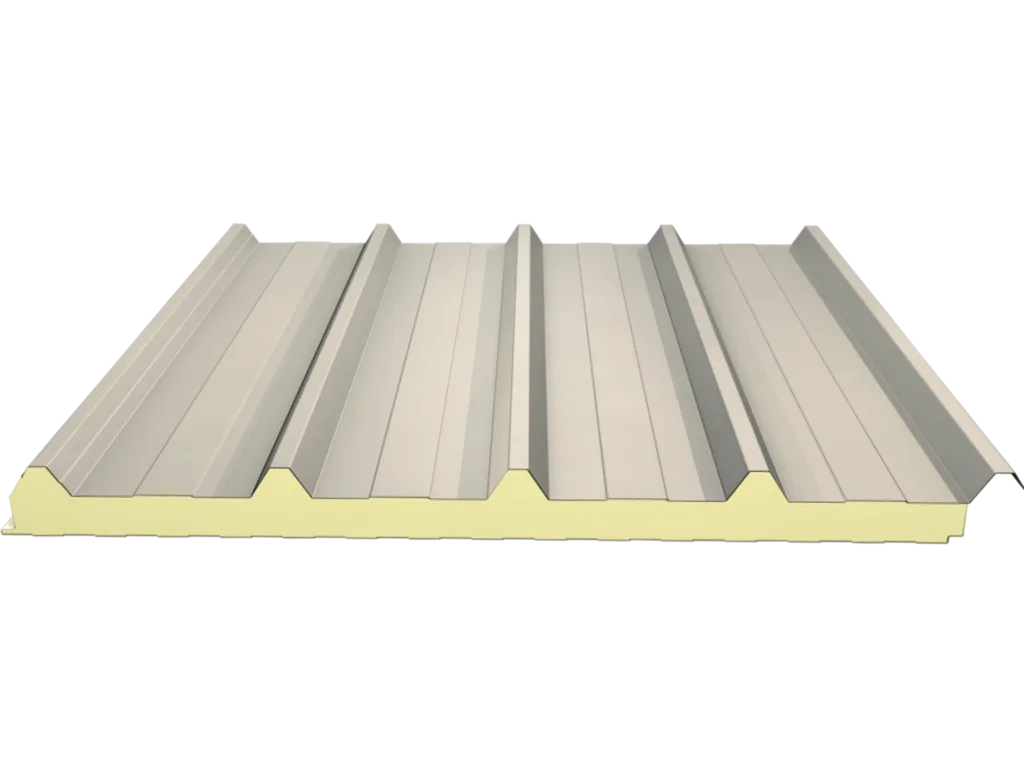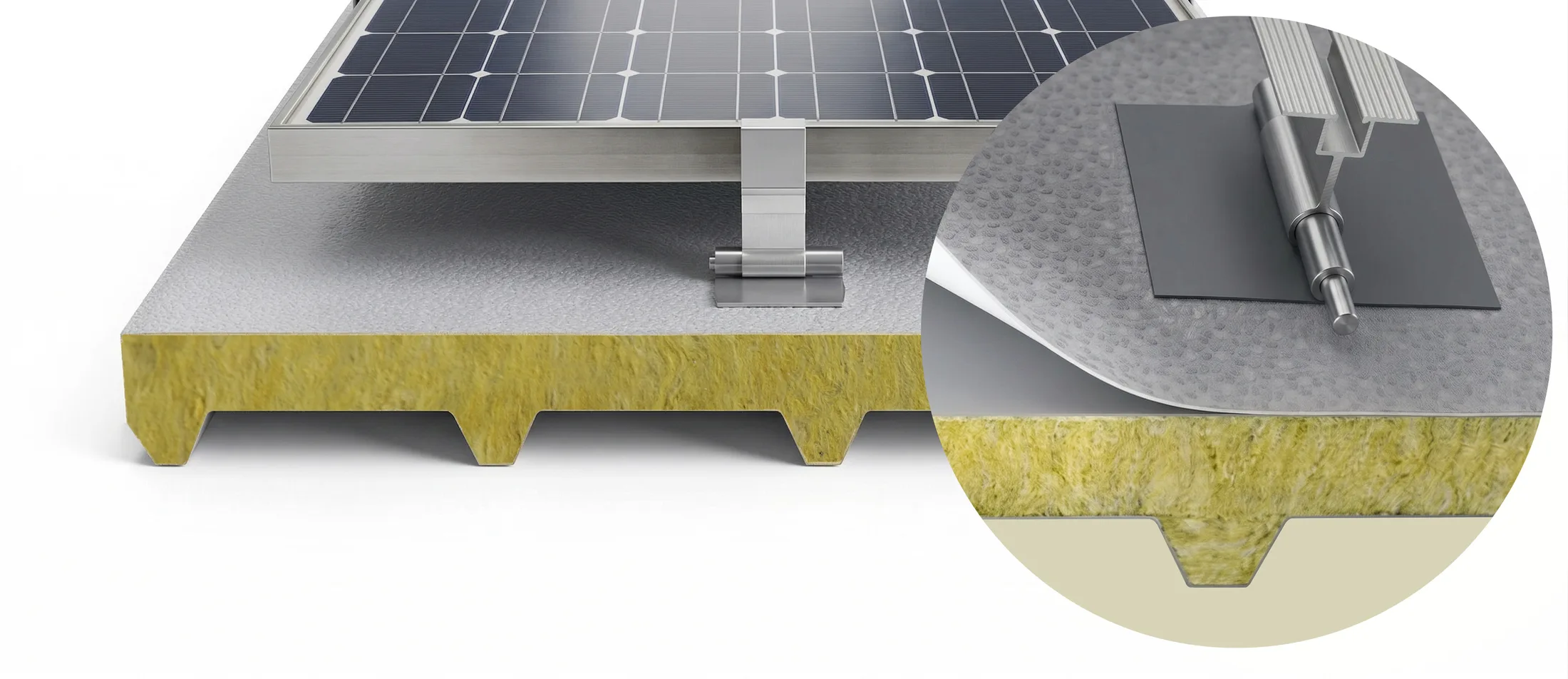
On facilities with a solar power plant on the roof, the structural risk is not the panels but the holes opened to mount them. To prevent leaks over the long term, insulation systems are chosen that fix safely without piercing the roof and that carry the added load.
Fixing without holes, and the mounting kit
Solar compatible sandwich panels are designed together with a mounting kit that clamps directly onto the ribs. The kit has PVC gaskets that prevent corrosion, and it removes the need for a separate support profile on the roof. Because conventional screwing is abandoned, the roof surface is never pierced and the watertight life of the roof is not shortened.
Since the roof is not pierced, the waterproofing of the building stays as it was on the first day. The whole static load the plant adds is carried by the panel's own capacity, independently of the roof substructure.
Product properties and static load
The Solar Roof panel is produced under the product code NGRP5, with 5 ribs and a 37 mm rib height. The insulation core is specified as polyurethane or rock wool. Ten thickness options are available, from 40 mm to 200 mm. With a cover width of 1000 mm, these panels are cut in one piece up to 15.5 metres.
A solar array places a permanent additional load on the roof. For that reason the choice of insulation section and steel gauge matters far more than on a standard building. The safe static values for the purlin spacing on the building are read directly from the load tables.
Membrane roofs and insulation
The Tripan roof panel, which offers a waterproofing advantage on low-pitch roofs, carries a membrane laminated sheet on its upper face under the code NRP5-SSM. This durable PVC laminated surface does not deform where the panel has to be walked on. Membrane roof panels are also fully compatible with the solar mounting kit.
The Tripan series is produced with polyurethane, rock wool and hybrid core options. In fire safety terms, rock wool and hybrid cored panels are classified A2-s1-d0 and polyurethane cored options B-s1-d0.
Fasteners and scope
Where a roof carries the load of a solar plant, the quality of the fasteners matters. Screws must meet the mechanical properties of TS EN ISO 3506-1 and hold an ETA or UTO certificate. On steel structures, self-drilling screws are used with stainless washers with EPDM gaskets of at least 16 mm diameter.
To TS EN ISO 12944-2, class A4 screws are specified for coastal facilities and class A5 for marine environments. In practice, bimetal screws with a stainless body and a carbon steel tip are used. The scope is limited to the panels and the mounting kit; the inverters and the plant itself are installed by the solar contractor. The load tables and the joint details are in the library.
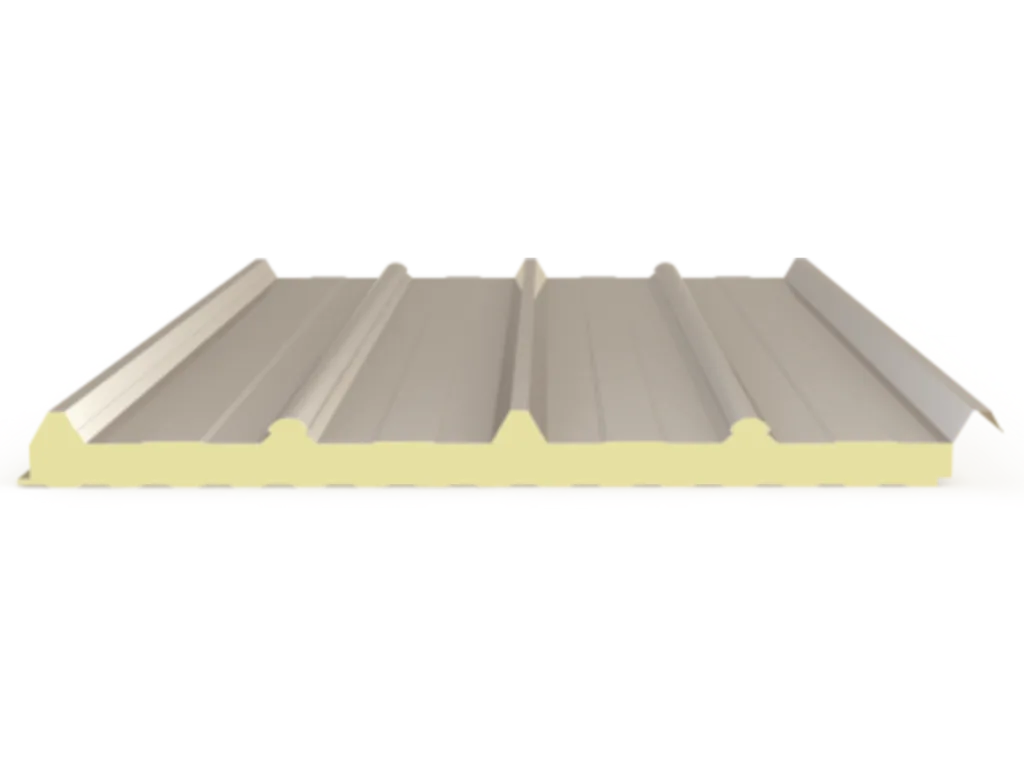
SOLAR ROOF - PU
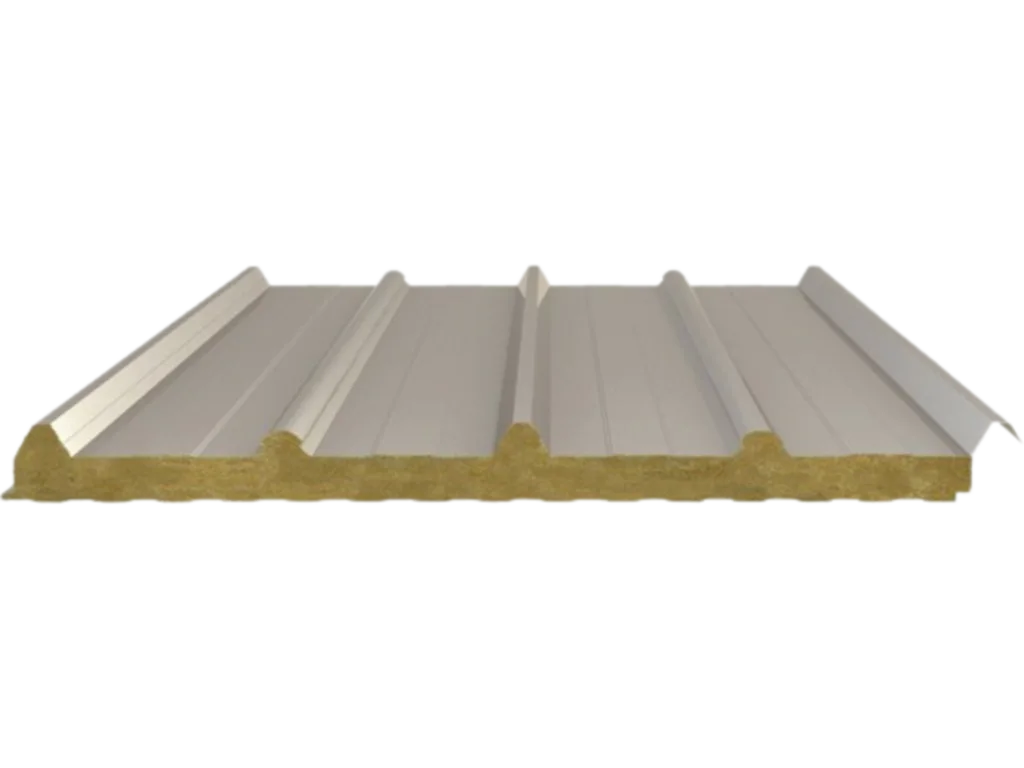
SOLAR ROOF - Rock Wool
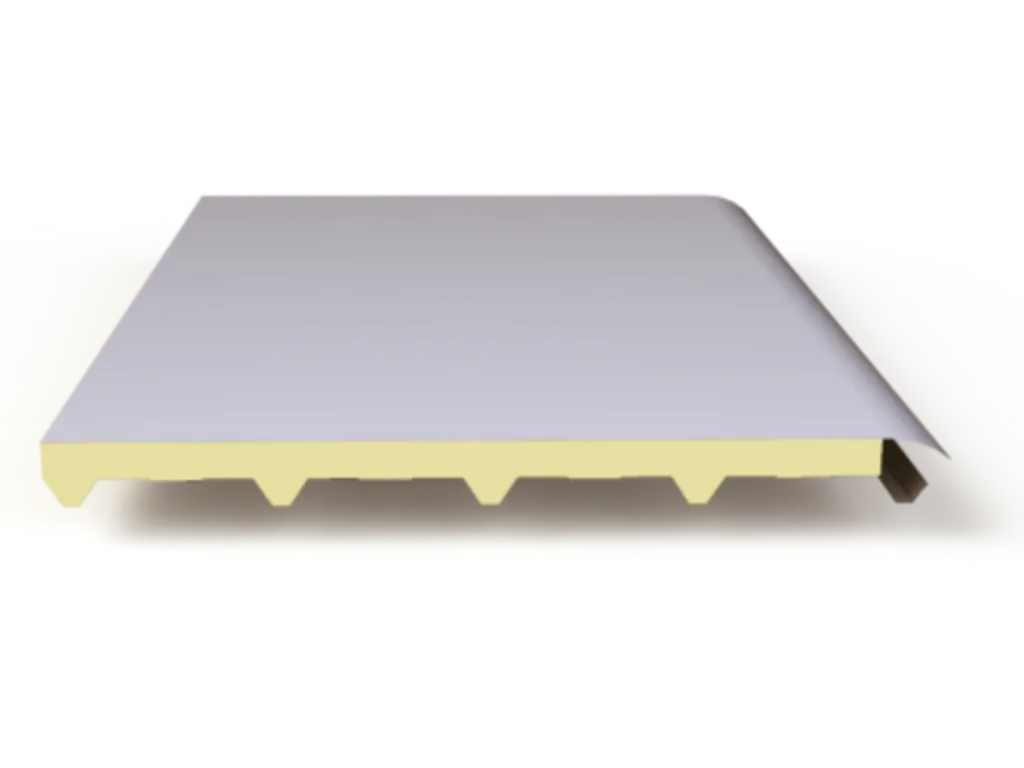
TRIPAN PU
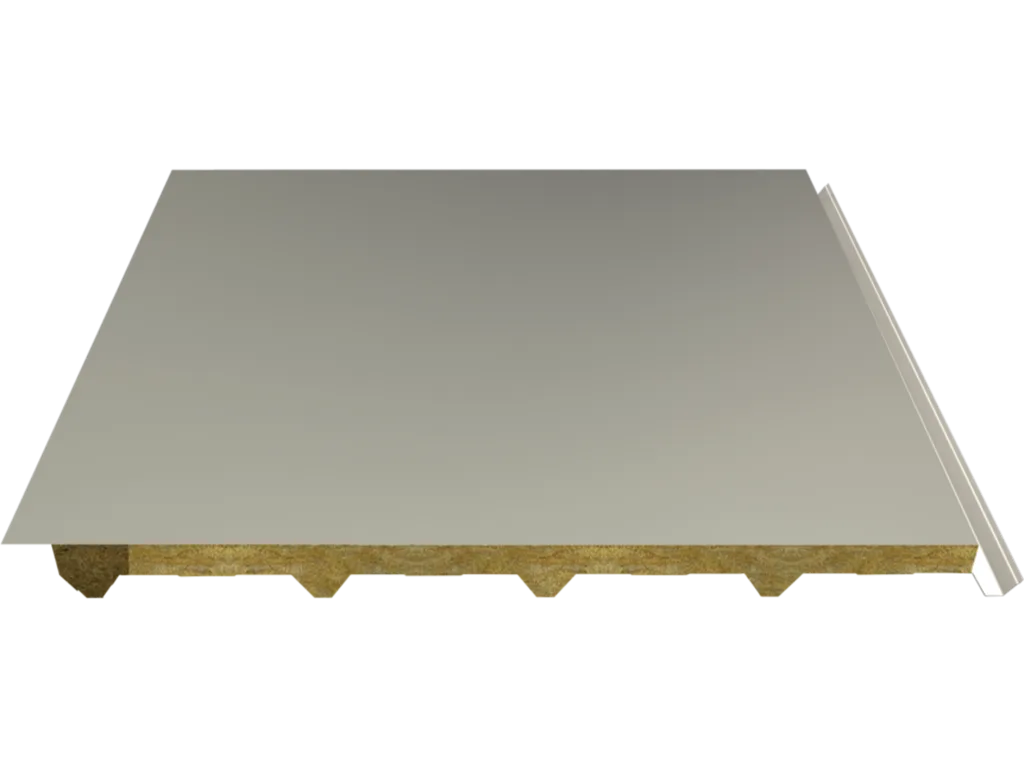
TRIPAN Rock Wool
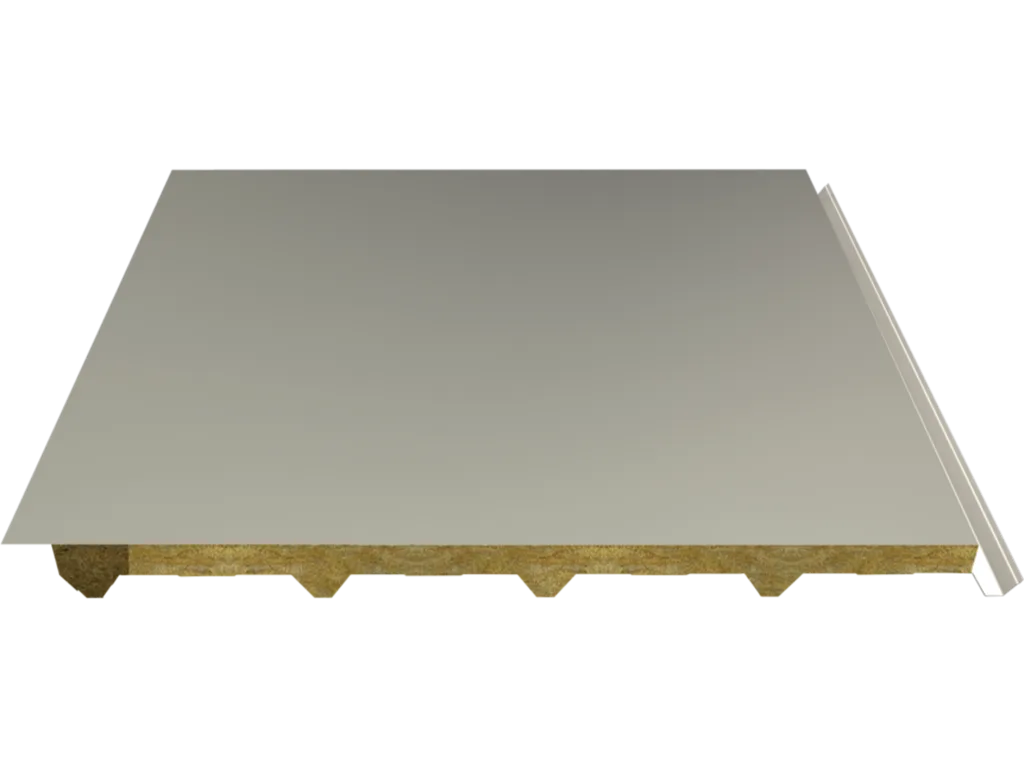
TRIPAN Hybrid
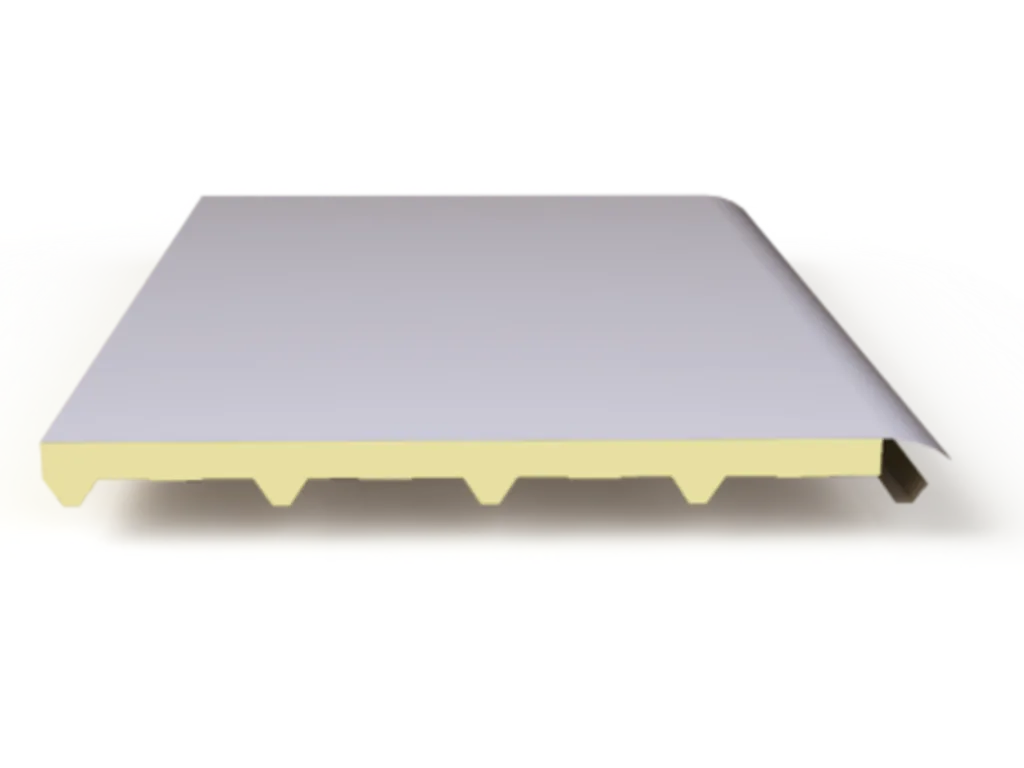
Membrane Roof Panel - PU
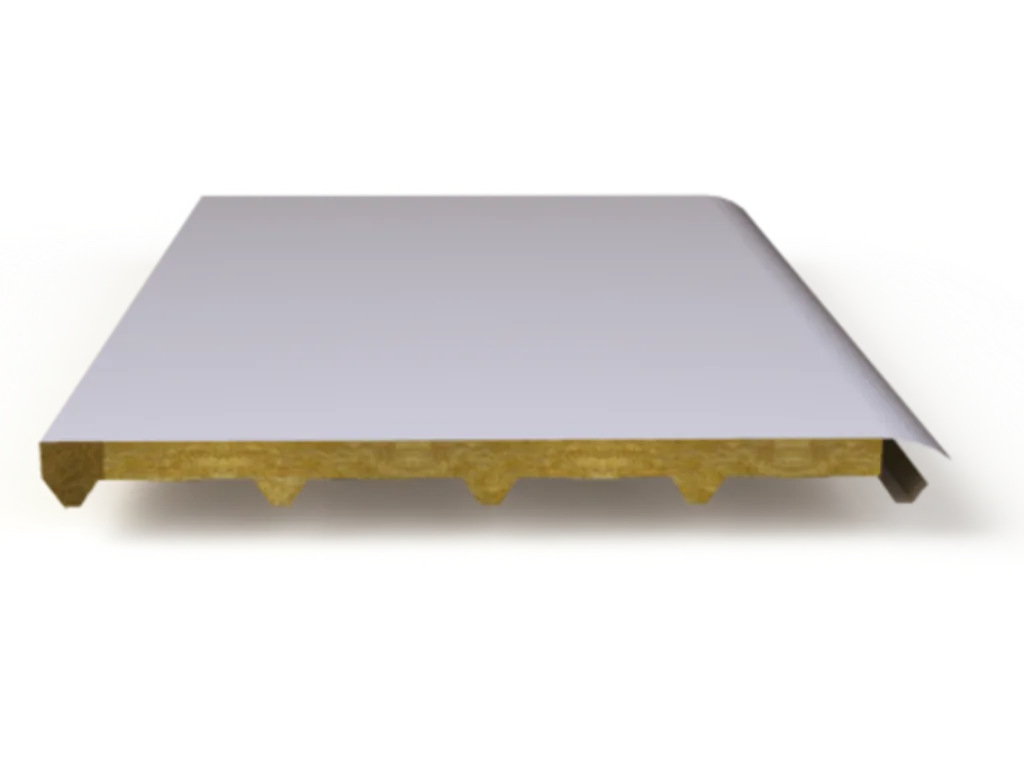
Membrane-Faced Roof Panel - Rock Wool