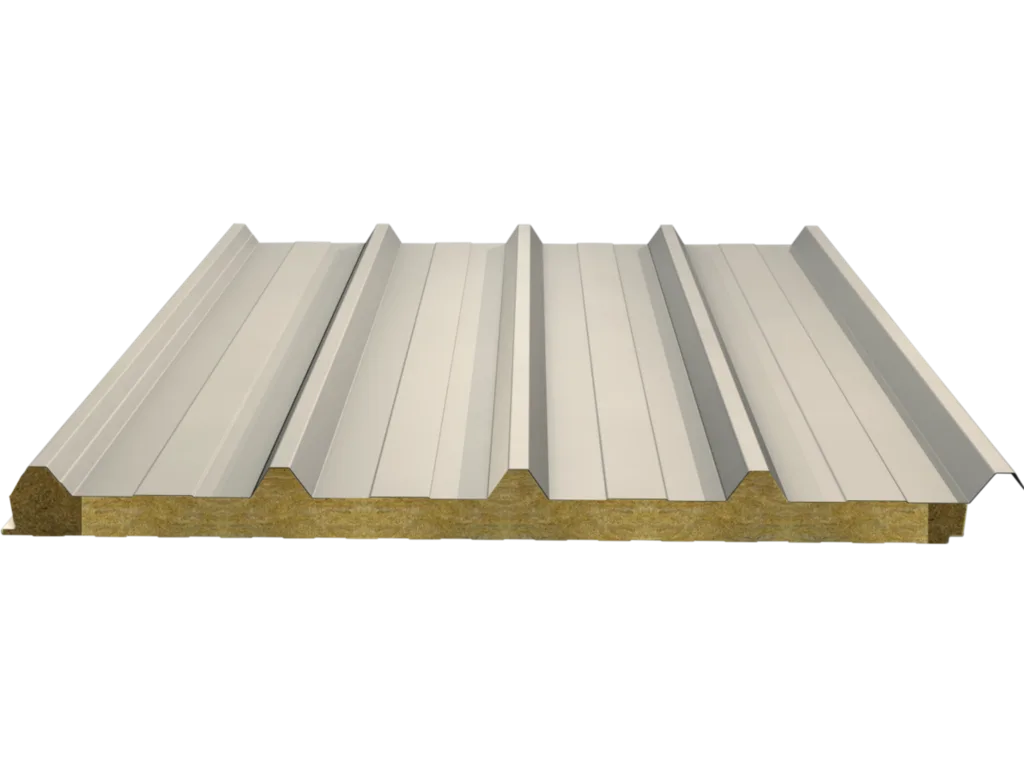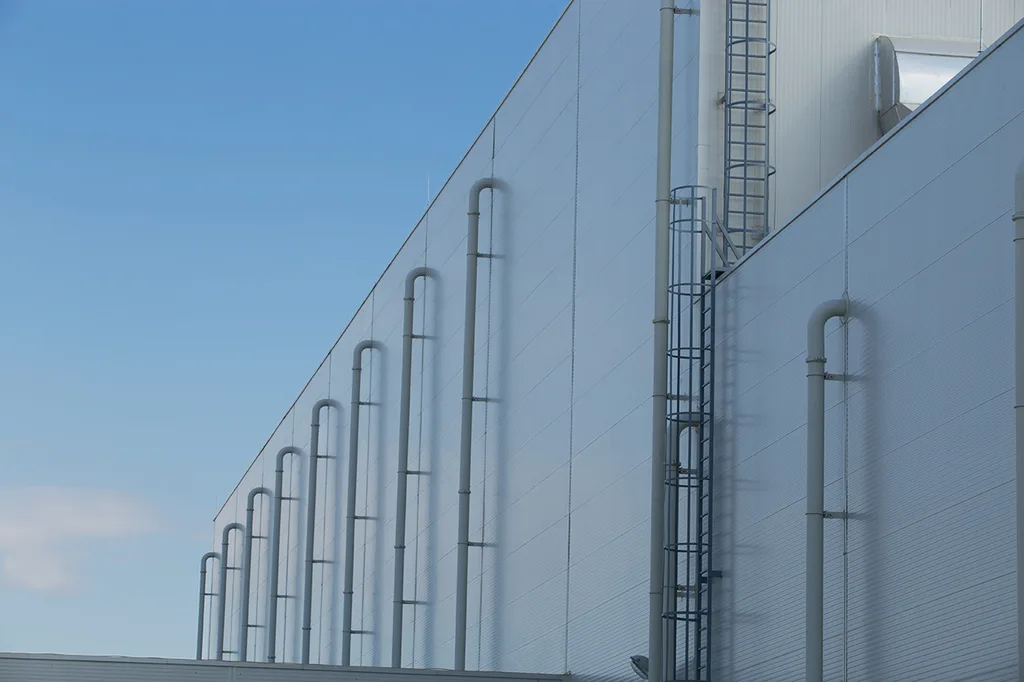
The purpose of an agricultural building is to hold the harvest safely and slow its deterioration. Insulated panel systems are preferred because they damp the swing between day and night temperatures, prevent condensation and give a surface that can be cleaned.
Harvest stores and condensation
Stored produce is alive: it respires and it gives off heat. In an uninsulated store the roof warms during the day and cools quickly at night, condensation begins on the inner face and the moisture returns to the crop. In a sandwich panel system the inner sheet never falls to the outside air temperature. Even in a store with no heating or cooling, this slows sudden temperature change and makes a large difference.
The insulation thickness follows from how long the produce is held. For short-term intermediate storage, 40 mm to 50 mm panels are enough. Where produce is held through the whole season, 60 mm and above is chosen so the temperature swing is fully damped.
Pre-cooling and holding rooms
For fruit and vegetables, the first hours after harvest determine shelf life. Pre-cooling and holding rooms are therefore built directly with cold room panels. In a standard holding room kept between 0 °C and +4 °C, the usual panel section is between 60 mm and 80 mm.
In agricultural storage facilities, dry stores and cold rooms are often built side by side, and each area calls for a different insulation section. The full detail for the temperature-controlled side is set out on the cold storage page.
Grading, packing and surfaces
The area where produce is washed, sorted and packed is a food production area in full. Here the choice of surface comes before the choice of thickness. Where wet cleaning is continuous, a PVC laminated surface is applied. Where there is direct contact with the produce, an anti-bacterial coated panel is essential.
On the dry store and shed side, standard pre-painted galvanised steel gives adequate protection. The facing is specified as polyester, PVDF or plastisol. In chemically demanding environments such as fertiliser and crop protection stores, plastisol is preferred for its thicker protective layer.
Machinery sheds and scope
A machinery shed needs an envelope that keeps water out, has few internal columns and closes quickly. The roof span matters, so that no column blocks the movement of a combine or a trailer. That span depends on the number of ribs, the thickness and the gauge of the steel; the static values are read from the load tables.
Where budget is the leading concern in agricultural sheds, the EXO series is also worth considering. The project scope is the supply of panels. Refrigeration plant, grading lines, silos and agricultural equipment fall outside it. Technical support for panel selection and correct installation is provided through the authorised dealer network.
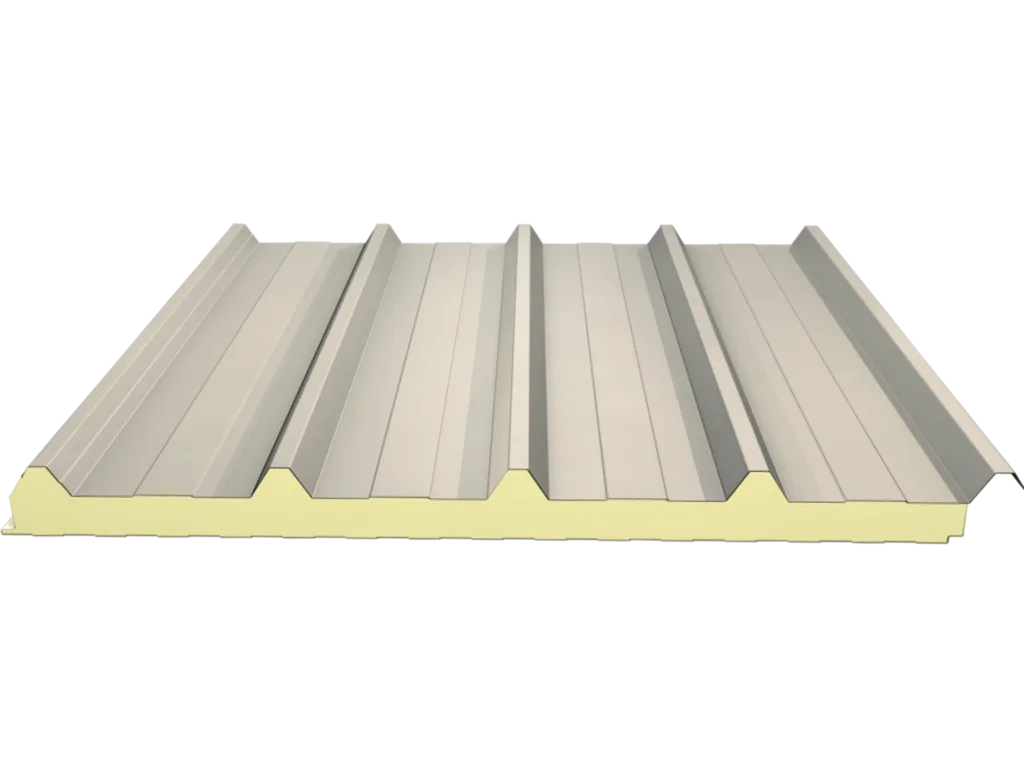
NRP5 PU
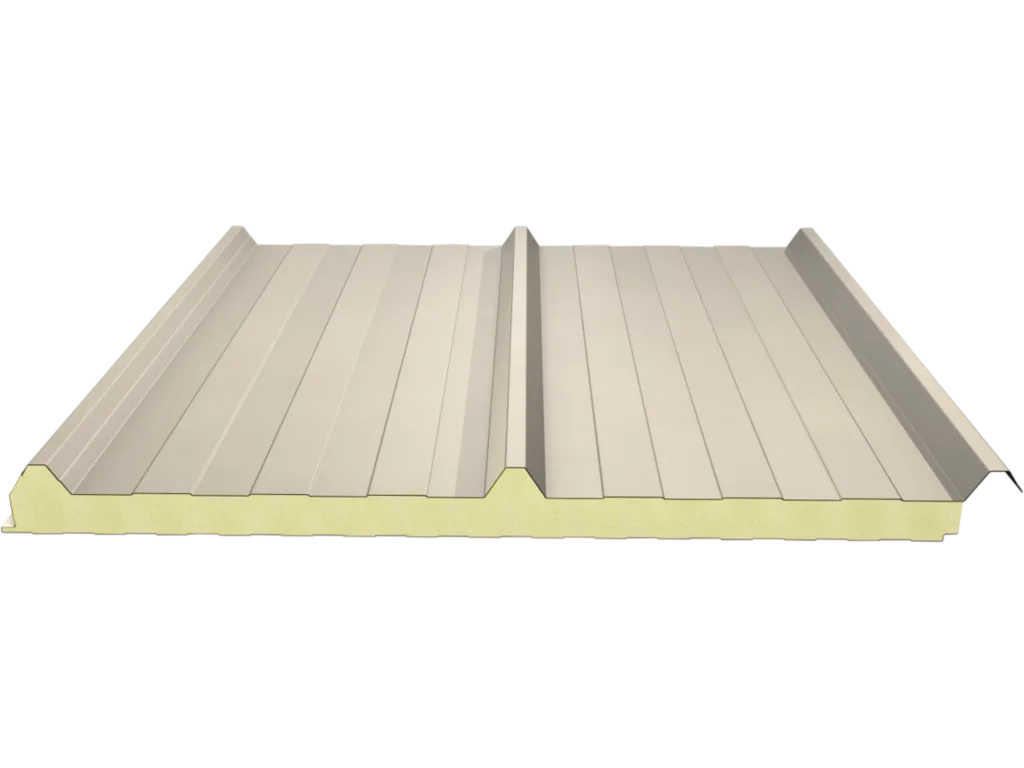
NRP3 PU
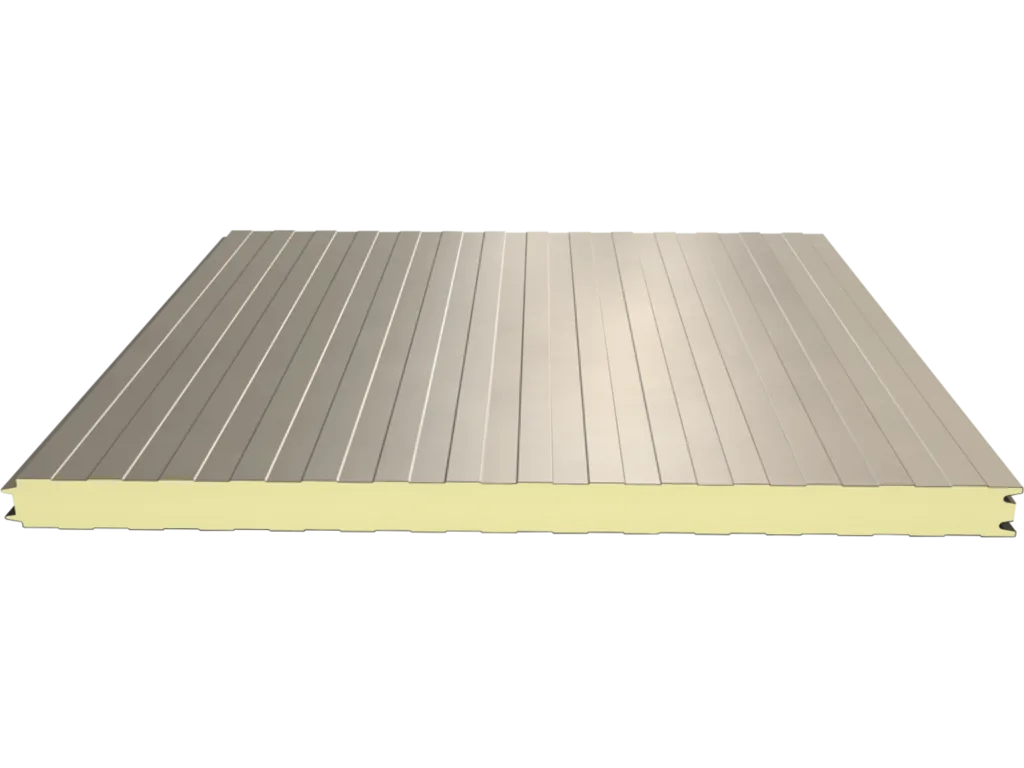
CCP01 PU
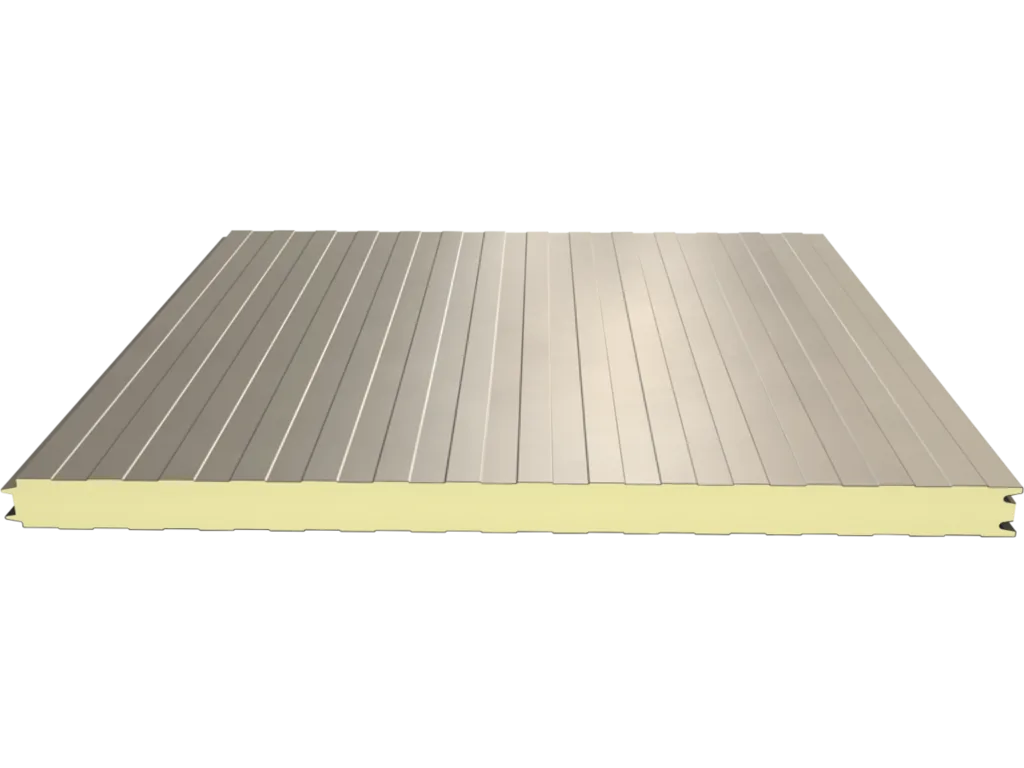
Open Screw Wall - PU
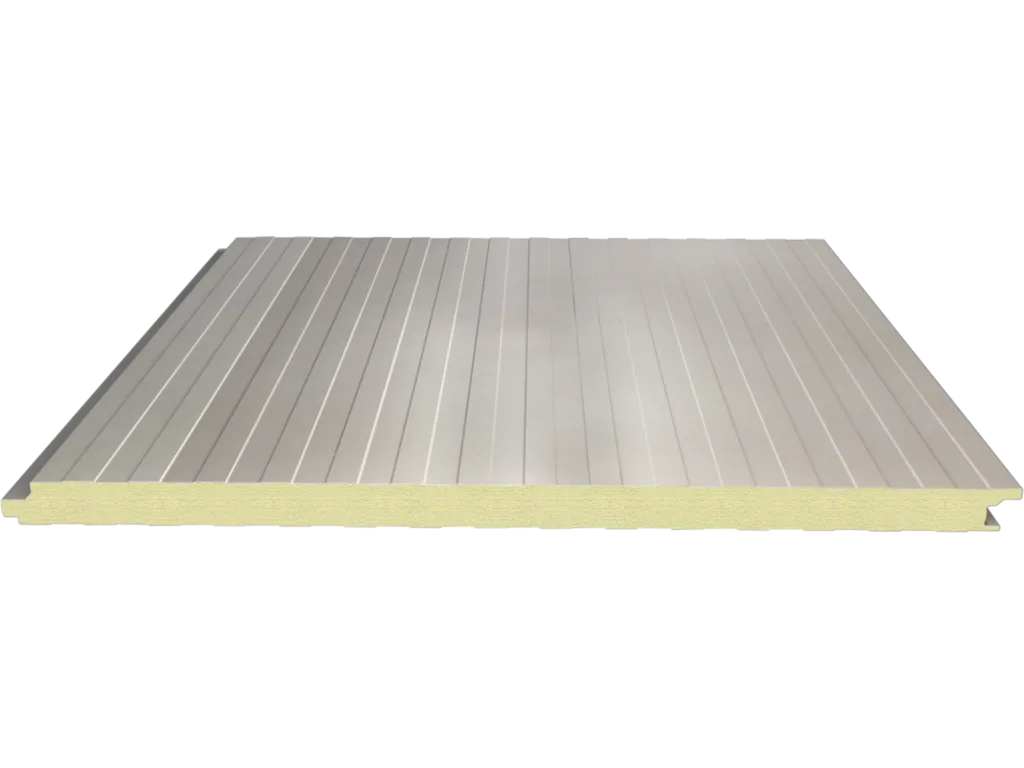
PU Wall Panel
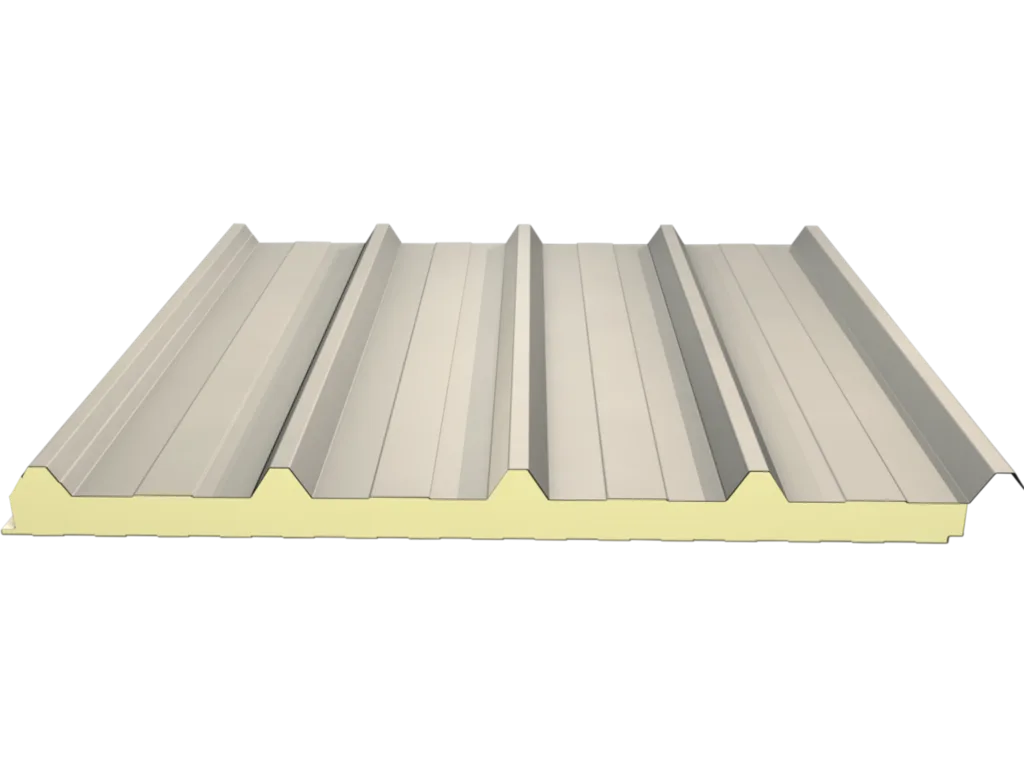
EXO 5-Rib EKO PU
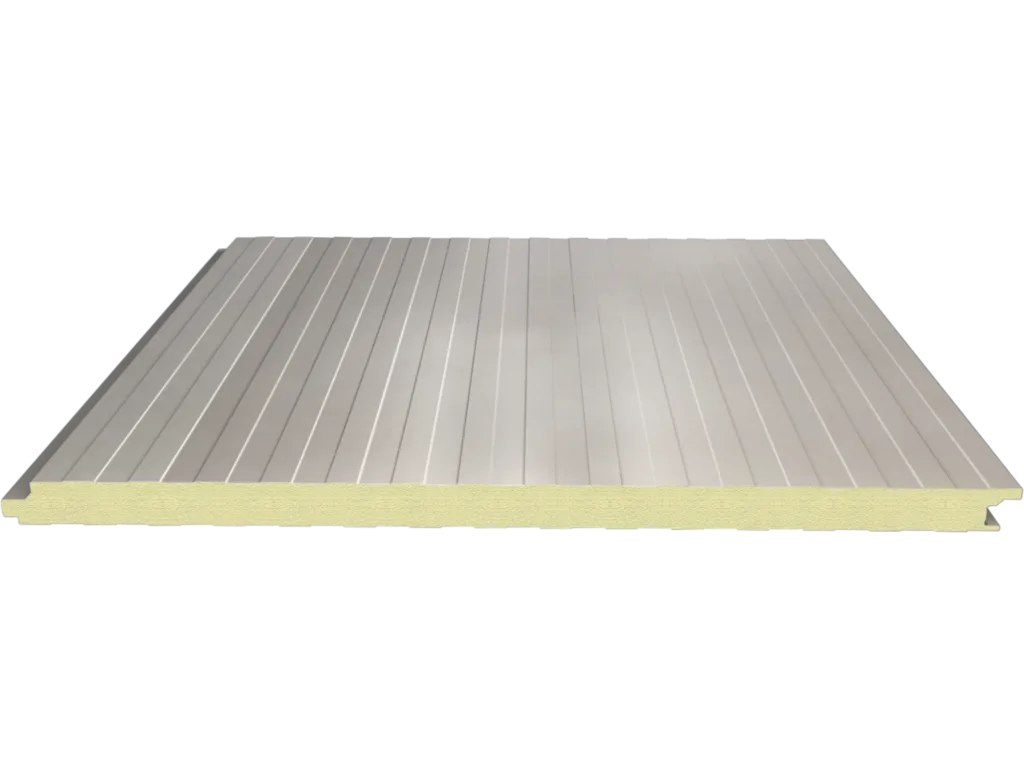
EXO Panel Wall PU