What is roof renovation?
A renovation panel is a panel type applied over a roof that has reached the end of its service life, without removing the old covering. The existing roof stays in place and the new panel is laid over it.
In conventional renewal, the old covering is stripped, the debris is carted away, the load-bearing structure is inspected and the new covering is laid. This sequence requires the work under the roof to stop. In a production facility or a full warehouse, that time is a direct cost.
With a renovation panel there is no stripping step. The renewal is carried out while work continues below, and the roof is never left open at any stage.
Products
| Product | Form | Width | Thickness | Core |
|---|---|---|---|---|
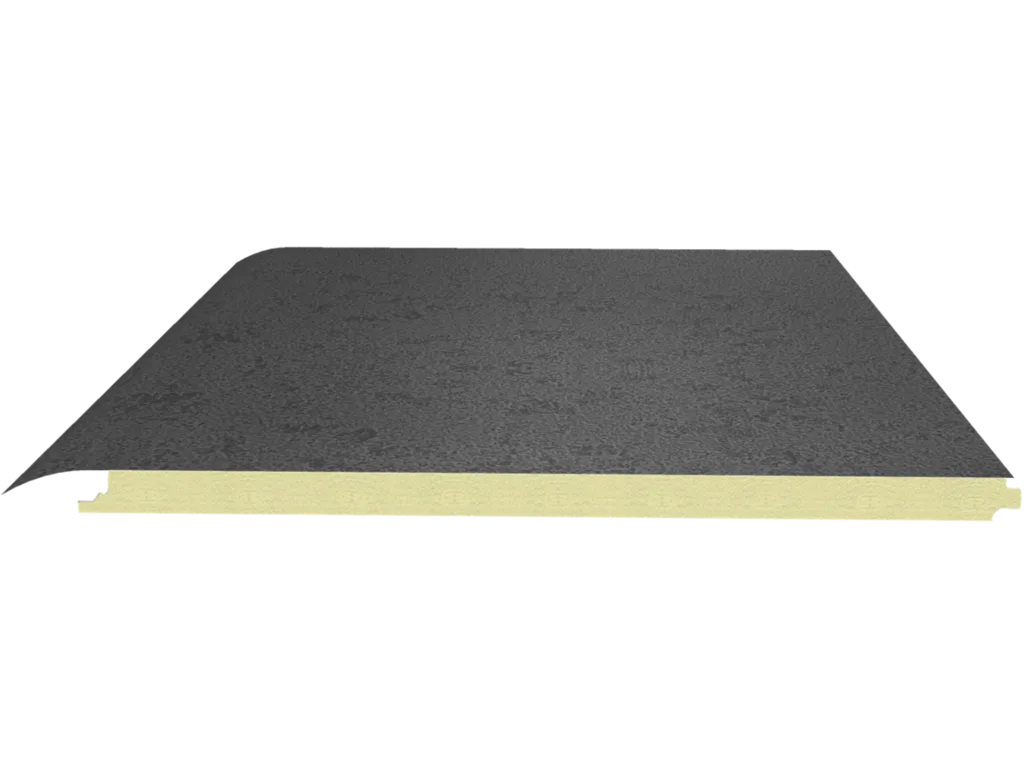
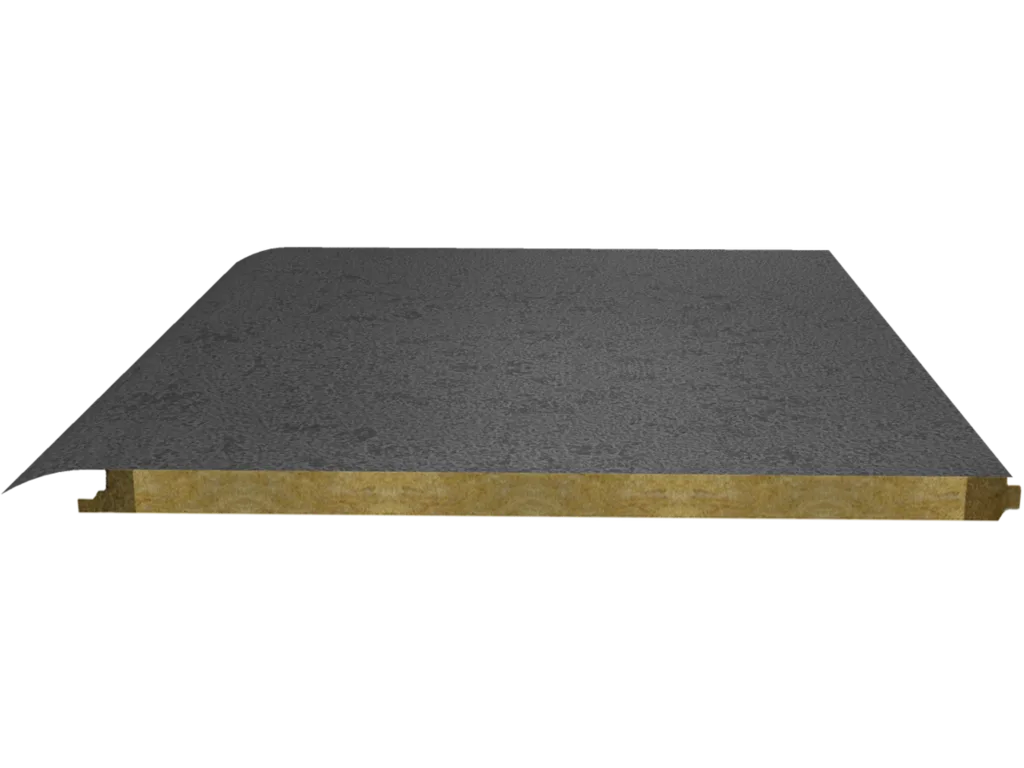
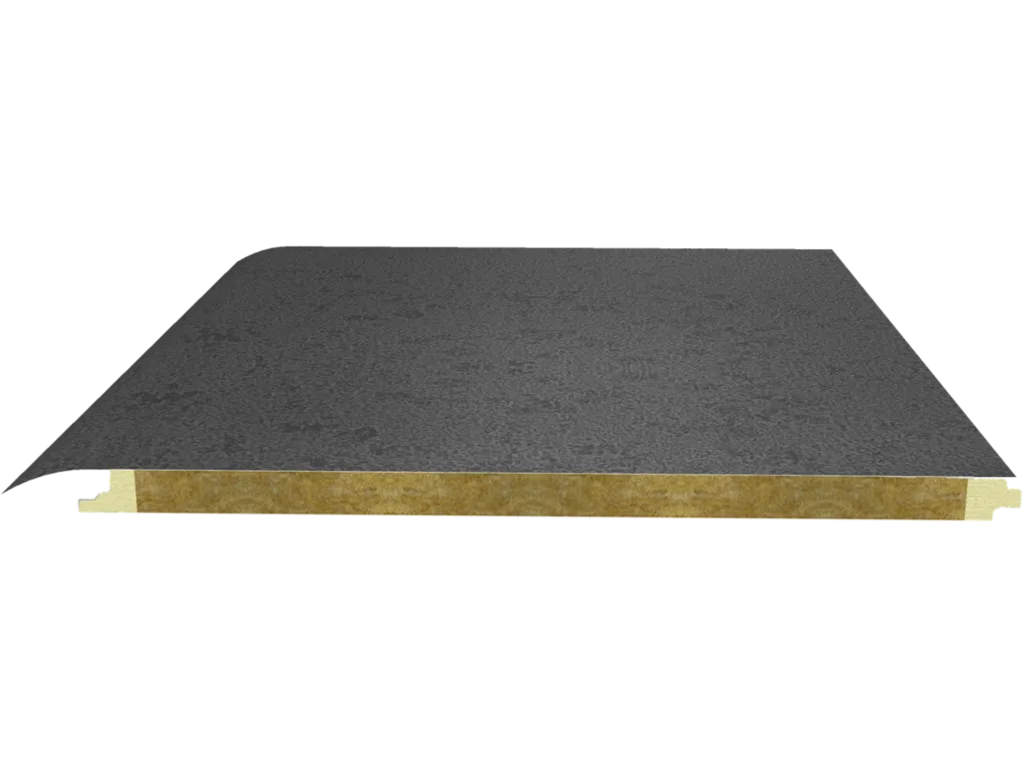
| RENOPAN MEMBRANE-FACED | Flat panel | 1000 mm | 40-100 mm | PUR-PIR, rock wool, hybrid |
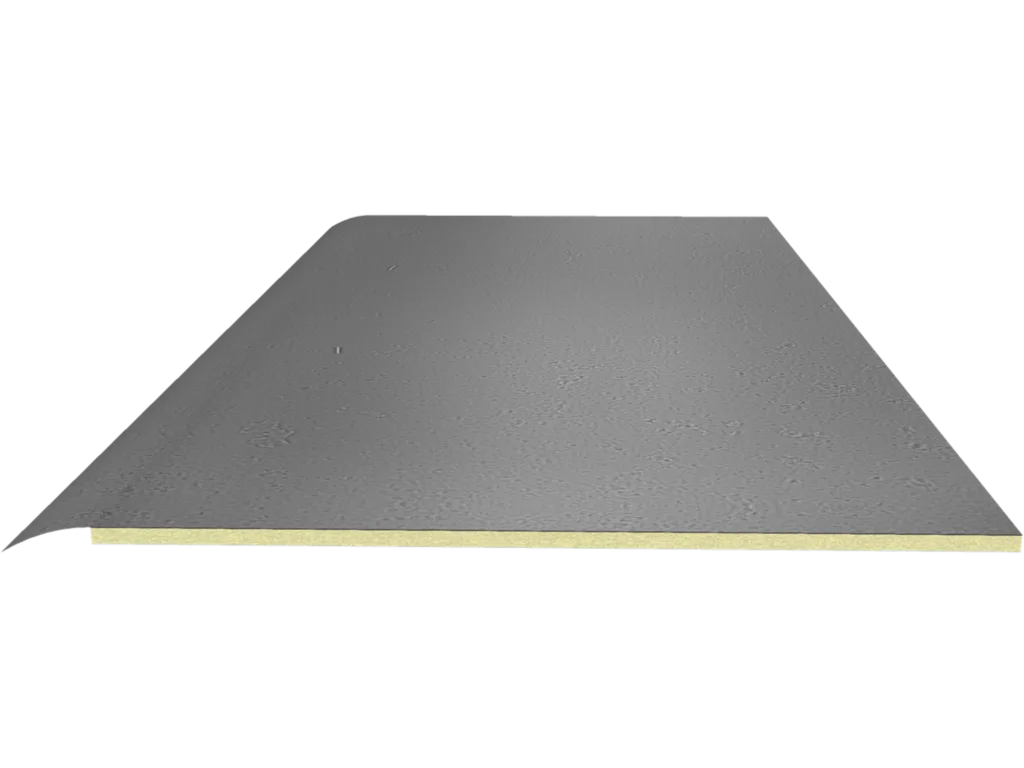
| RENOBOARD | Board | 1200 mm | 20, 30, 35 mm | PIR |
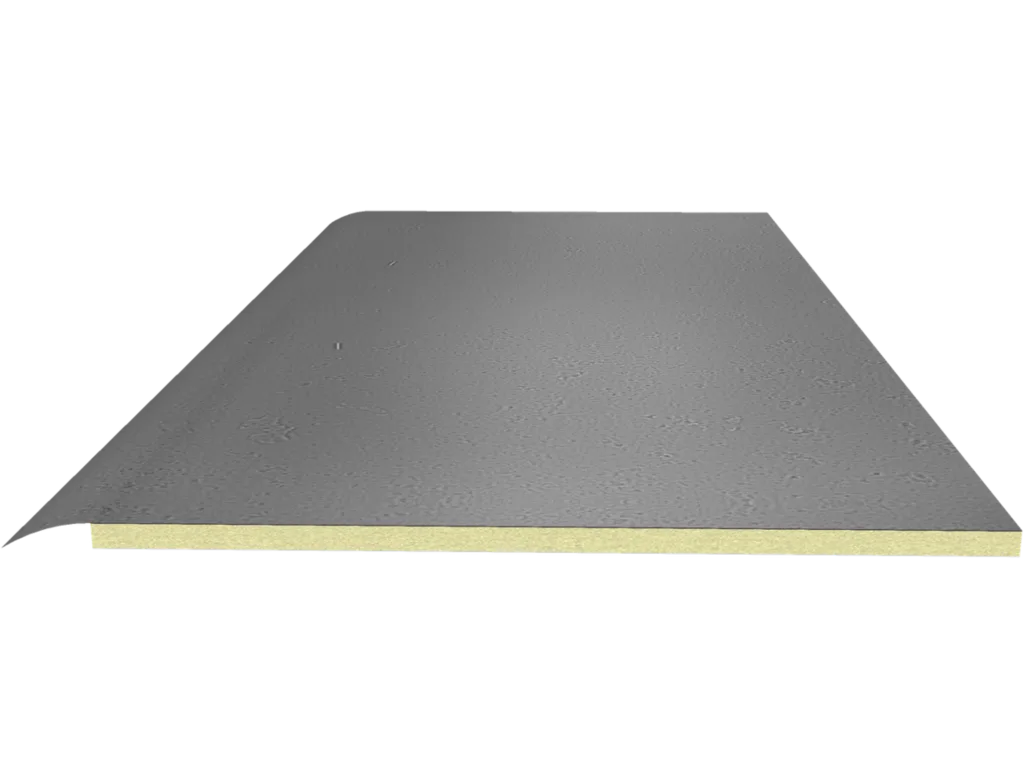
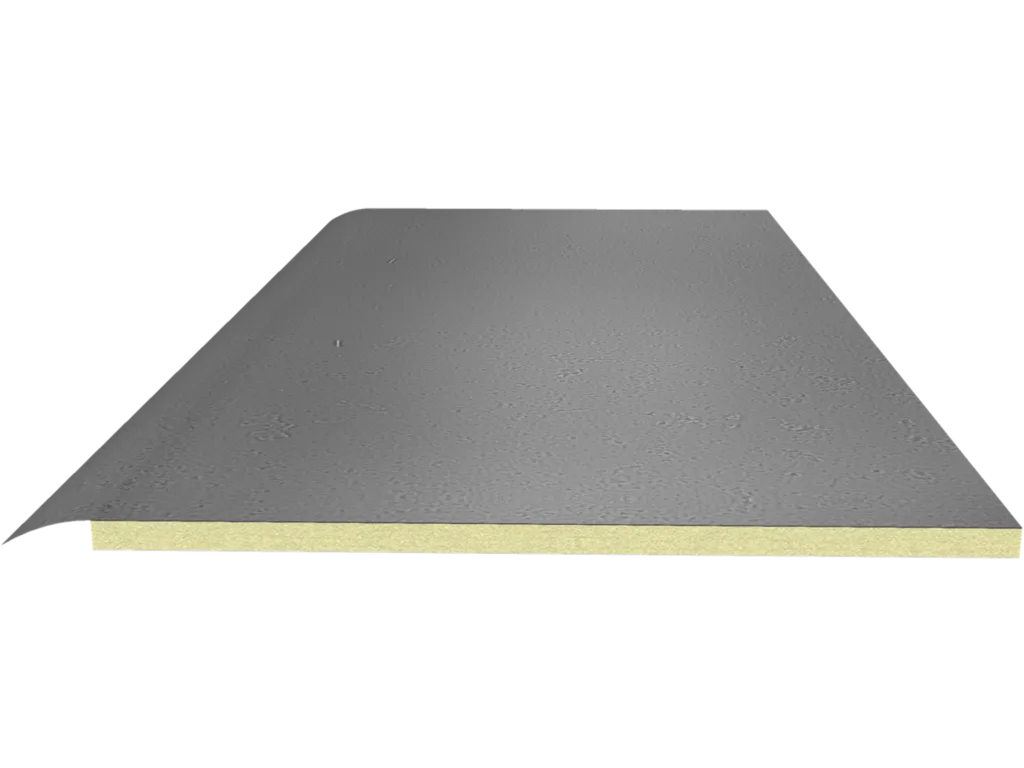
RENOPAN MEMBRANE-FACED is a flat panel whose membrane is laminated to the steel sheet in the factory. The top facing is galvanised steel laminated to the membrane; the membrane is PVC or TPO. A 100 mm flap is left at one end; the flap laps over the adjacent panel and the joint is closed by the membrane itself. No separate waterproofing layer is laid on site. It is produced with three cores: polyurethane, rock wool and hybrid.
RENOBOARD is a board, not a panel. Its top face is 1.20 mm homogeneous PVC and its bottom face is 0.08 mm aluminium; the boards are joined by hot air welding. It is supplied as a separate product per thickness: 20, 30 and 35 mm.
Selection
The span, the load-bearing capacity of the existing roof and the required insulation thickness are assessed together. The additional load on the old roof is the first question in the renovation decision; the application is not carried out until it is confirmed that the load-bearing structure can carry this load.
Load tables are in the Library section.