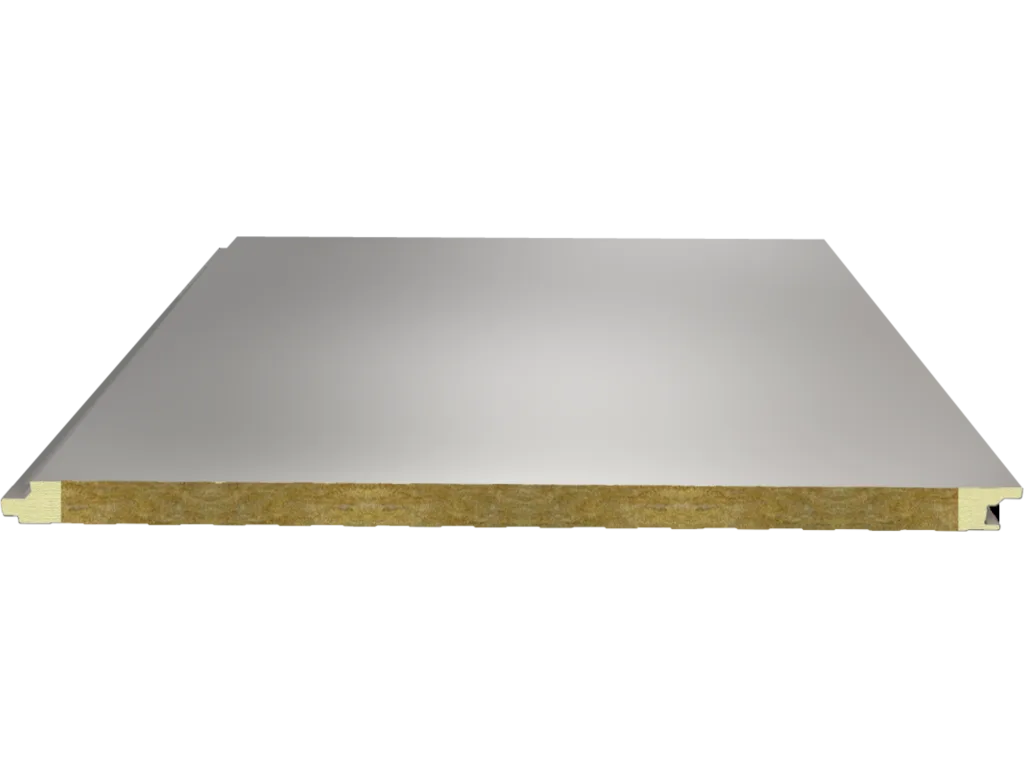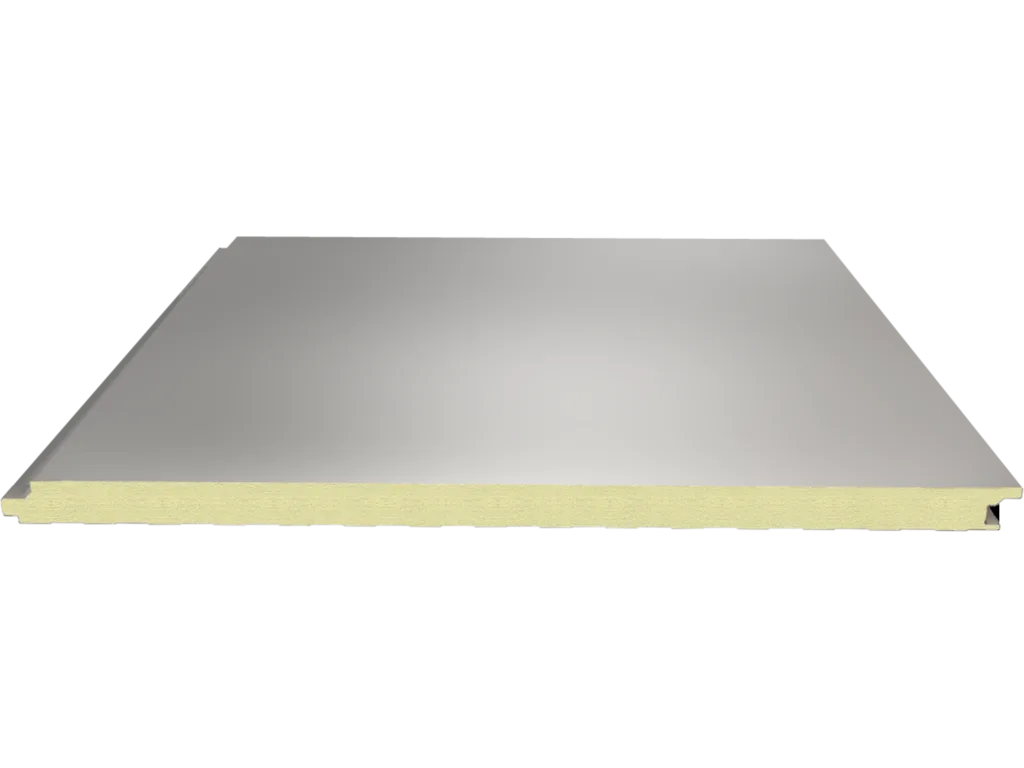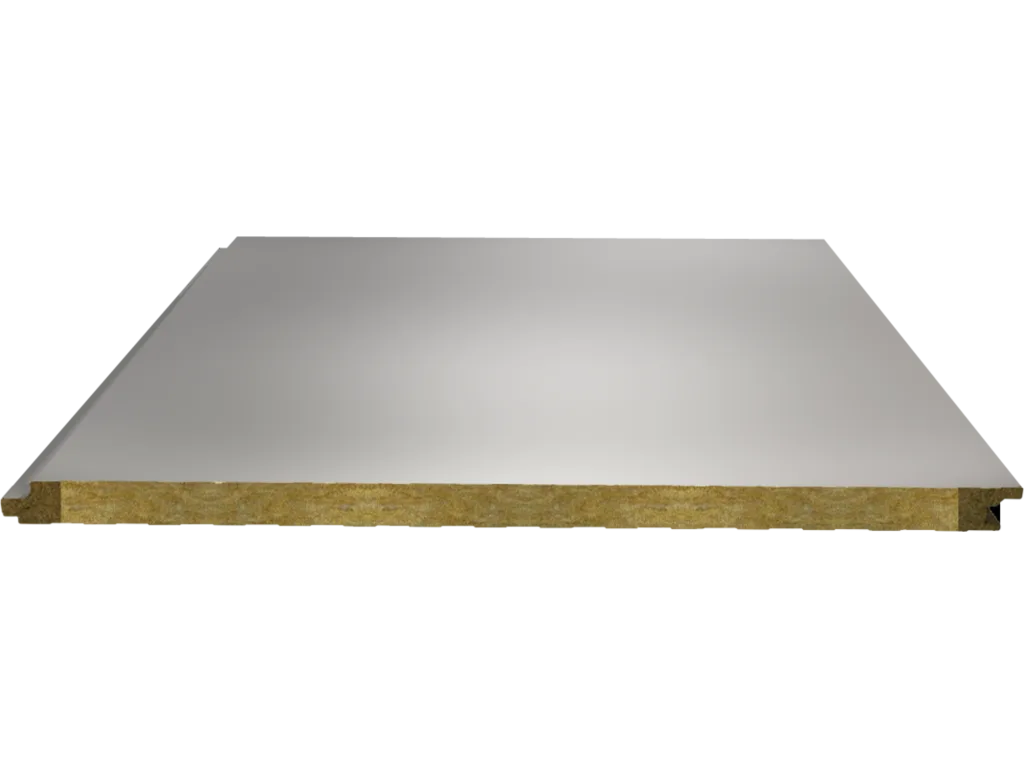
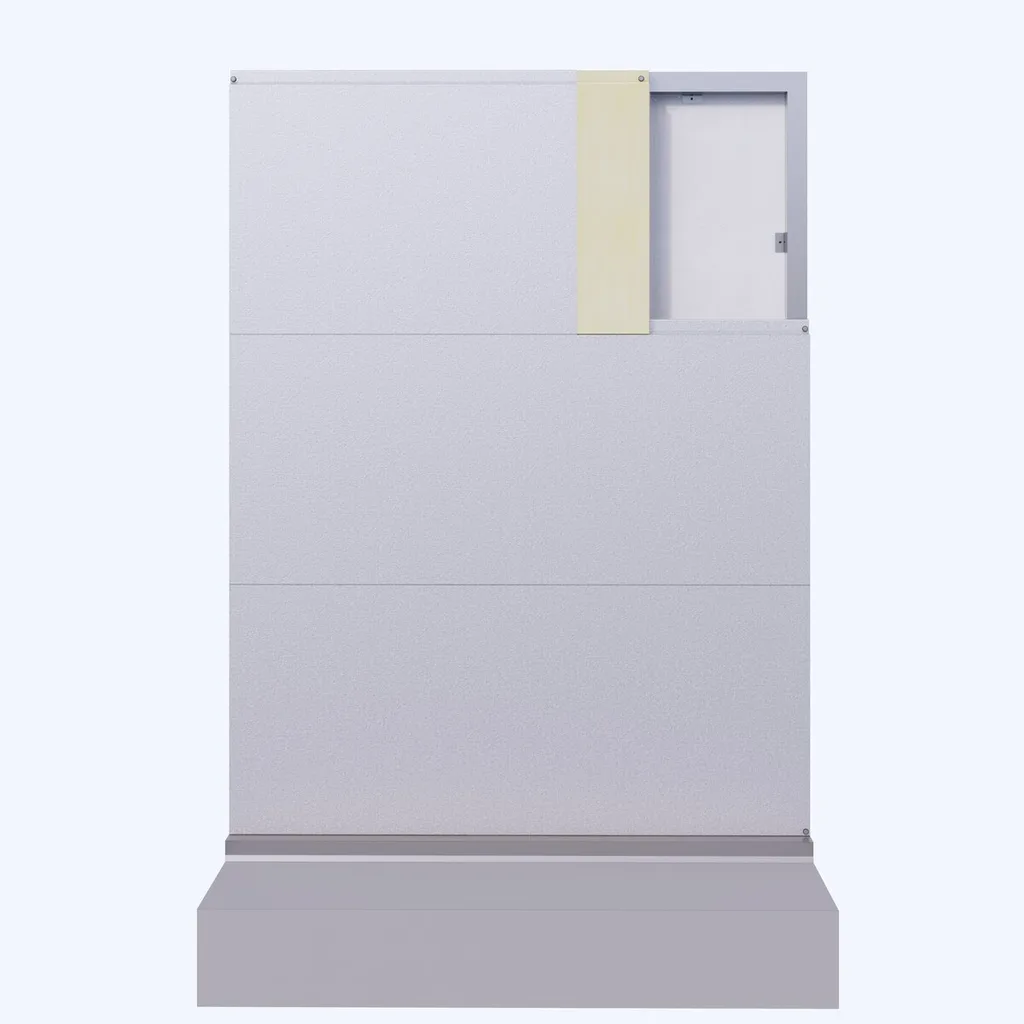
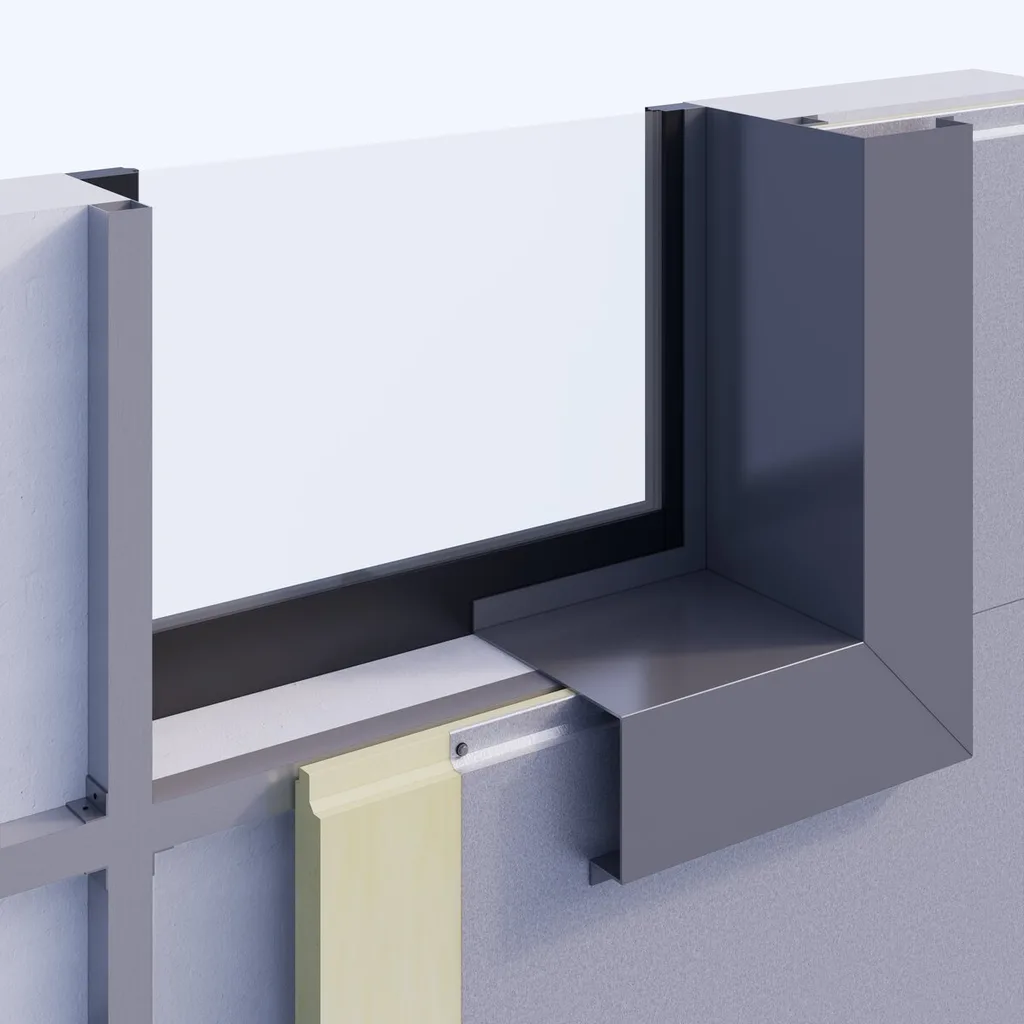
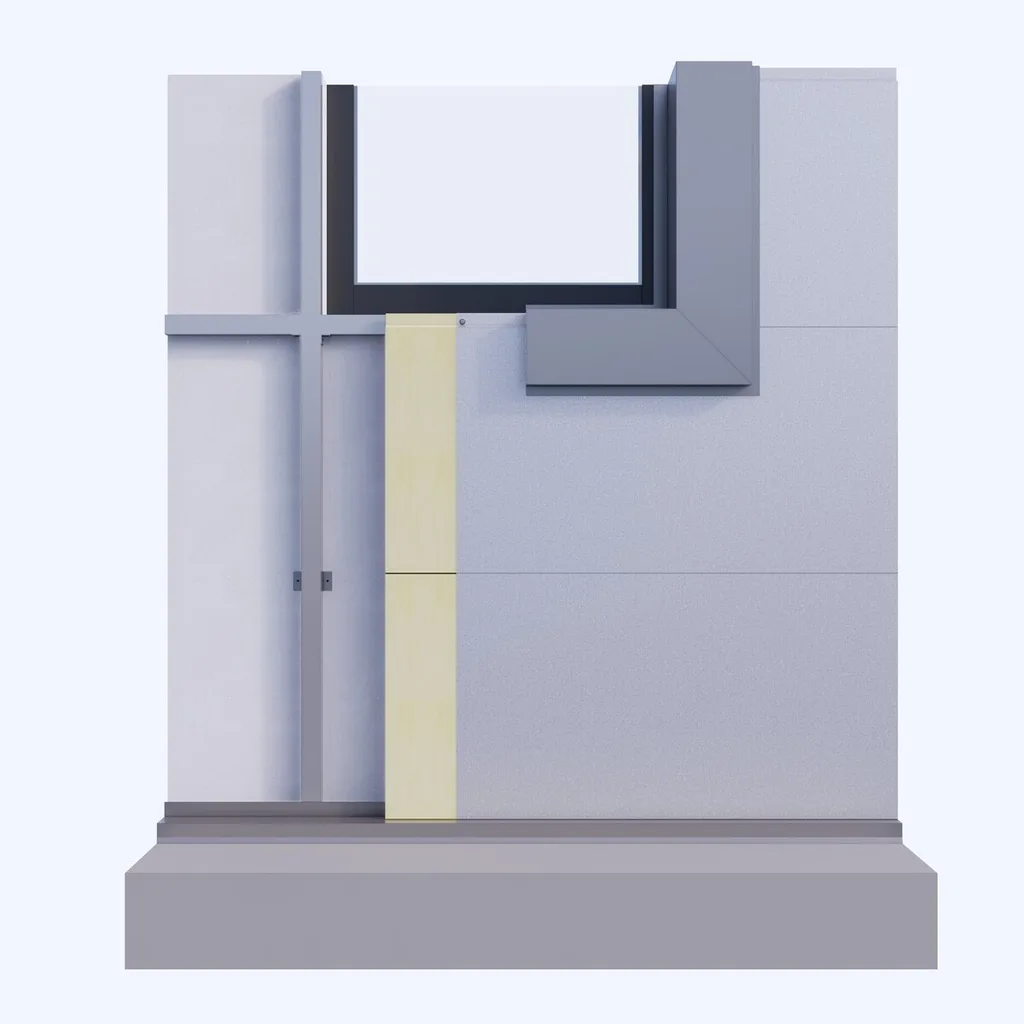
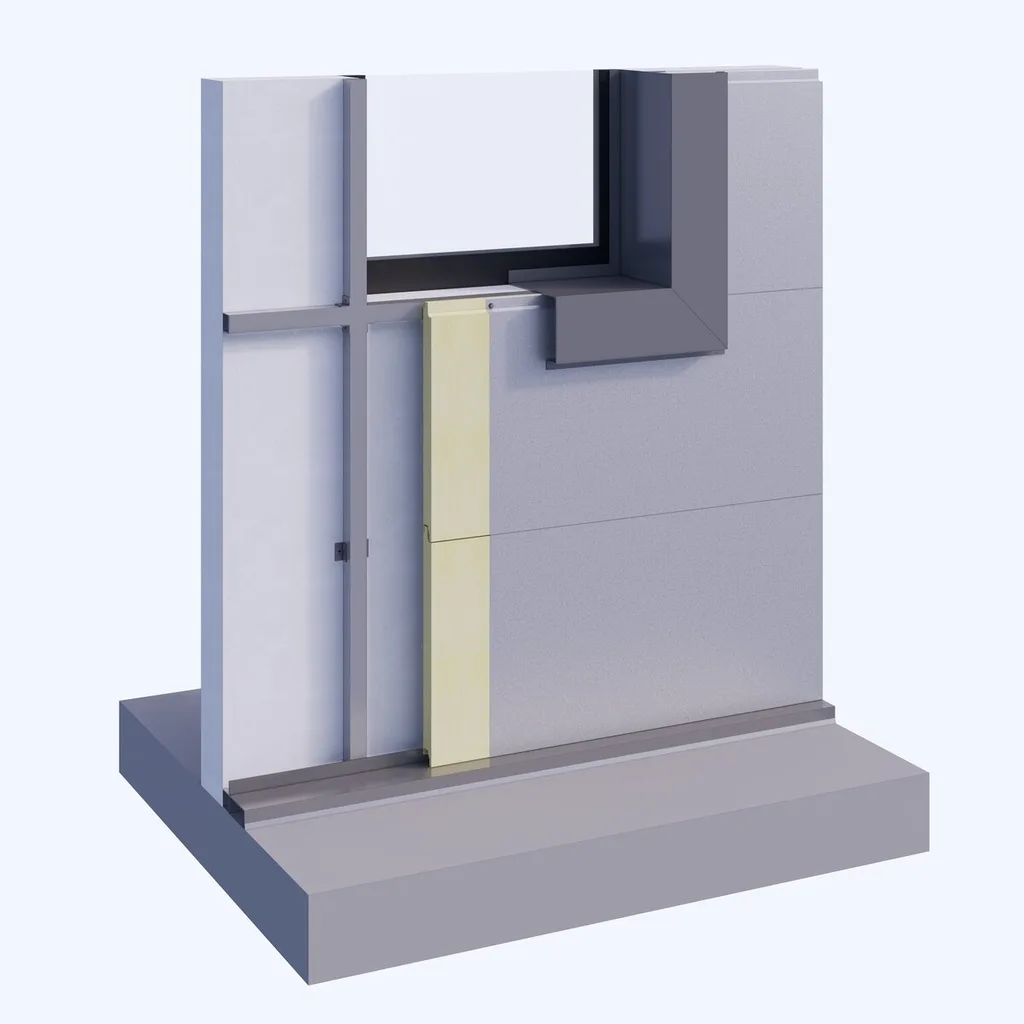
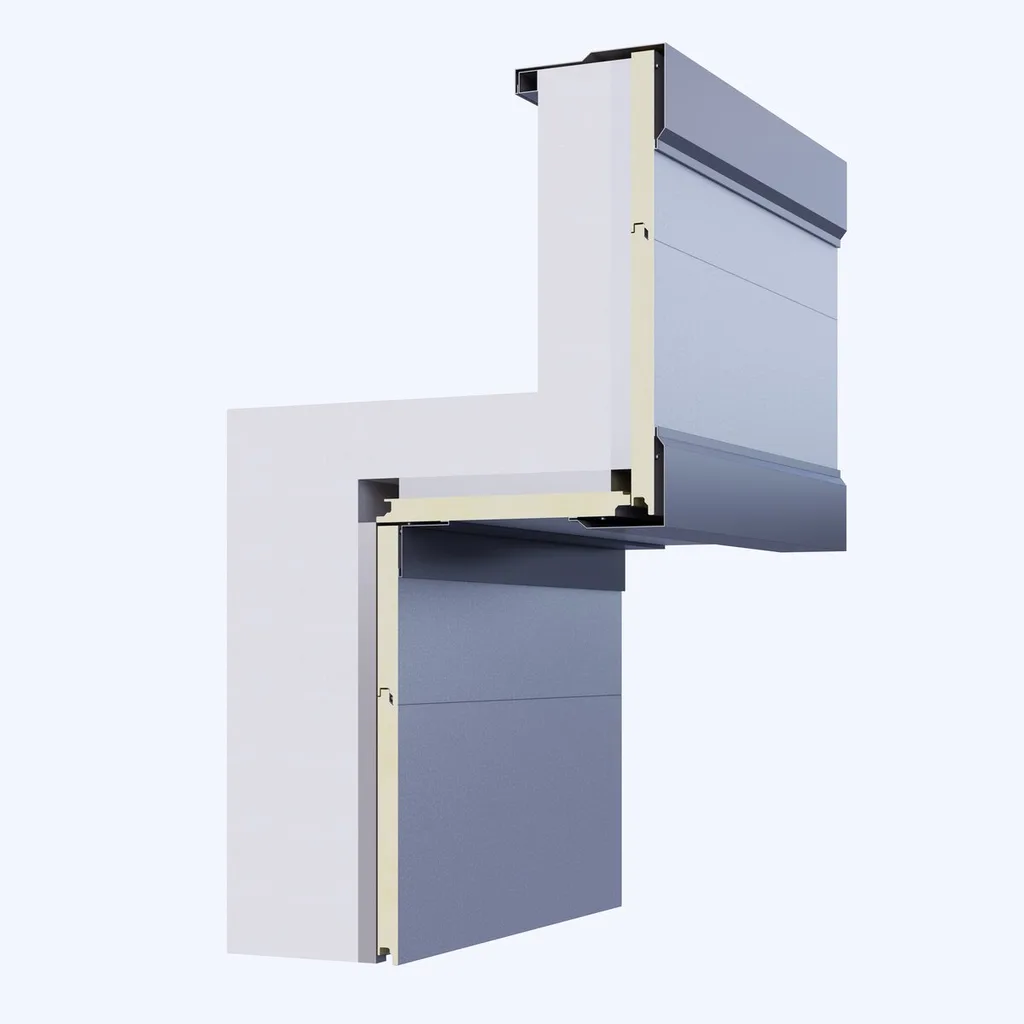
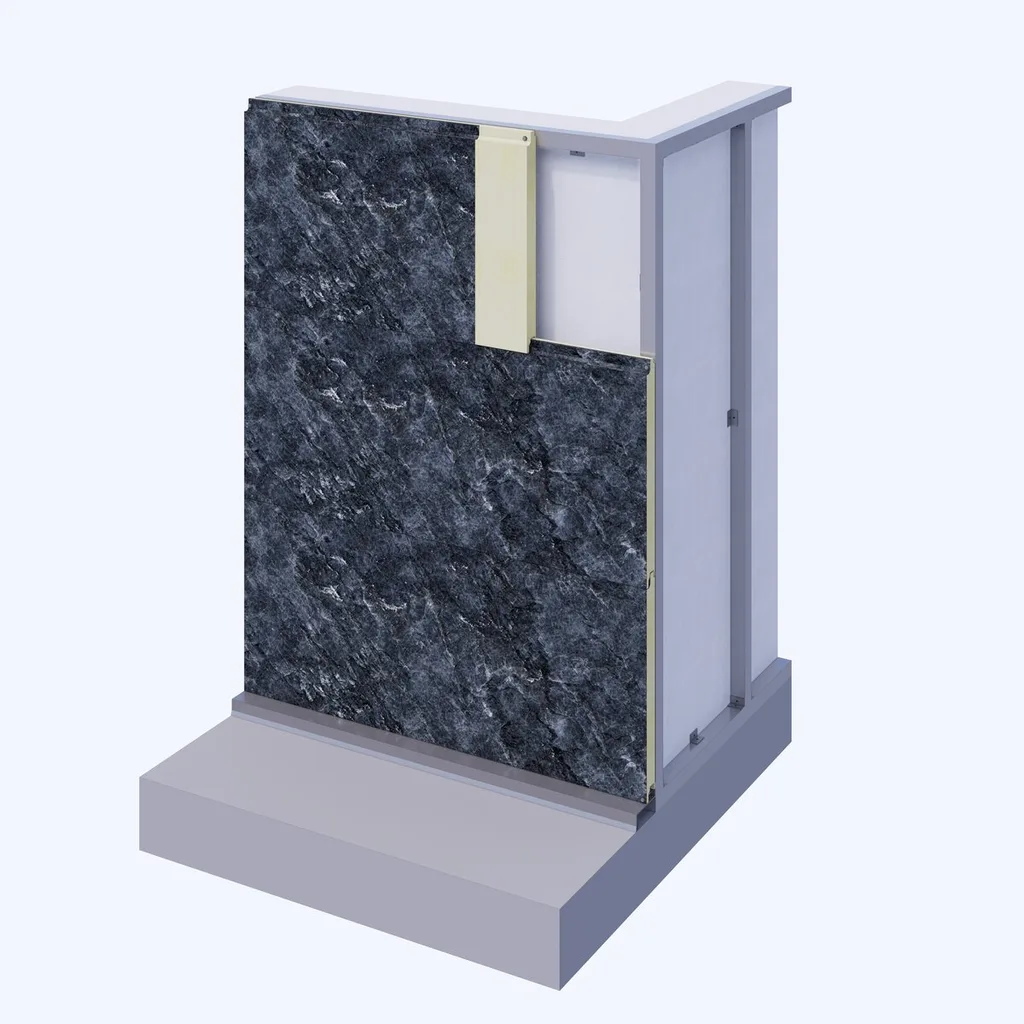
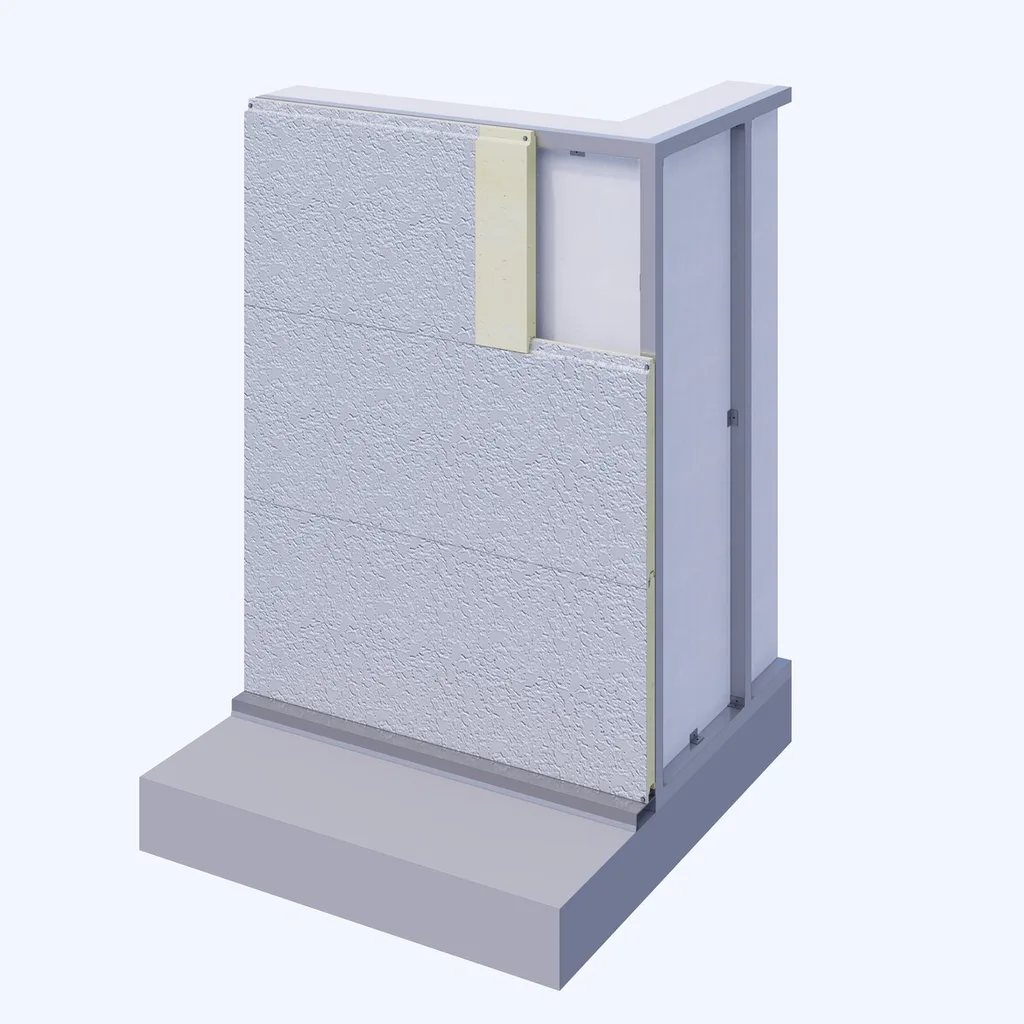
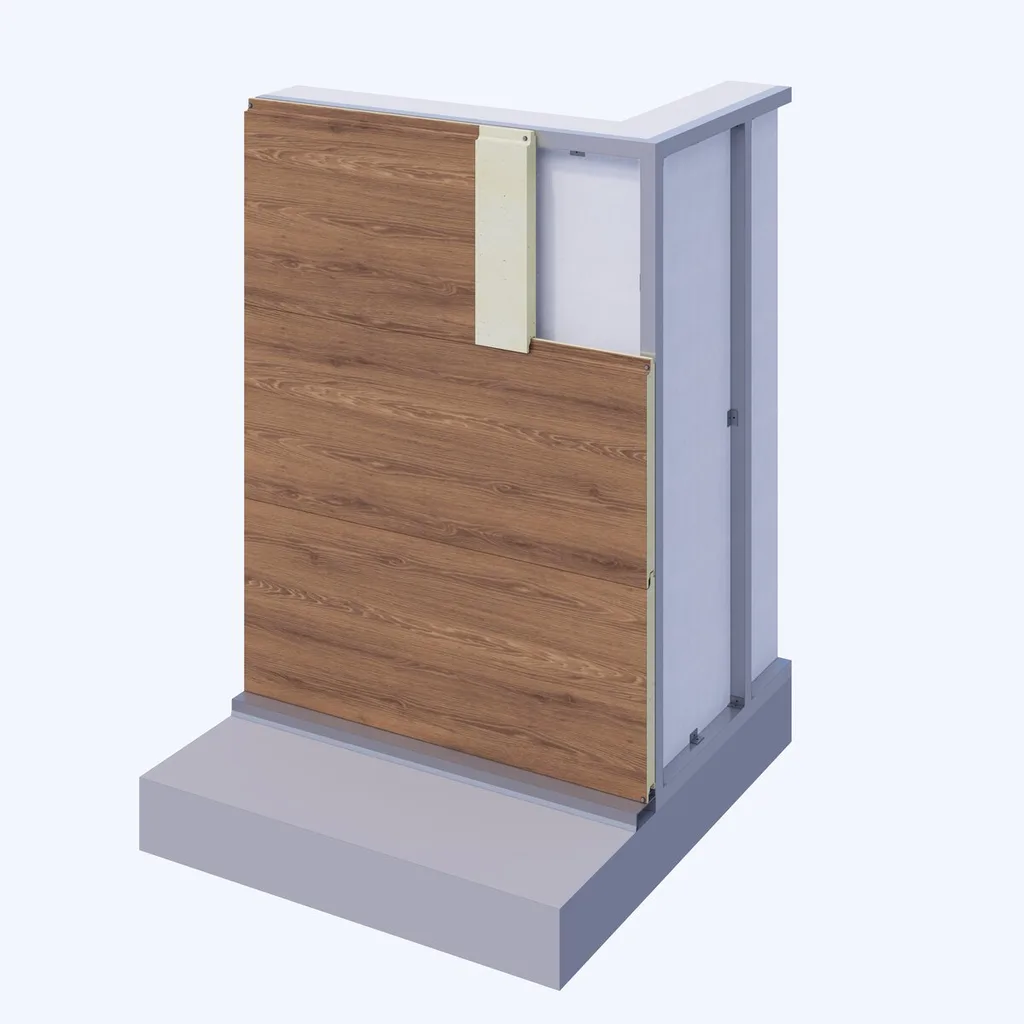
SIDING 500 is a narrow cladding panel for facades. The cover width is 500 mm; the narrow width creates a linear texture on the facade, and as the number of panels increases, that line defines the character of the facade.
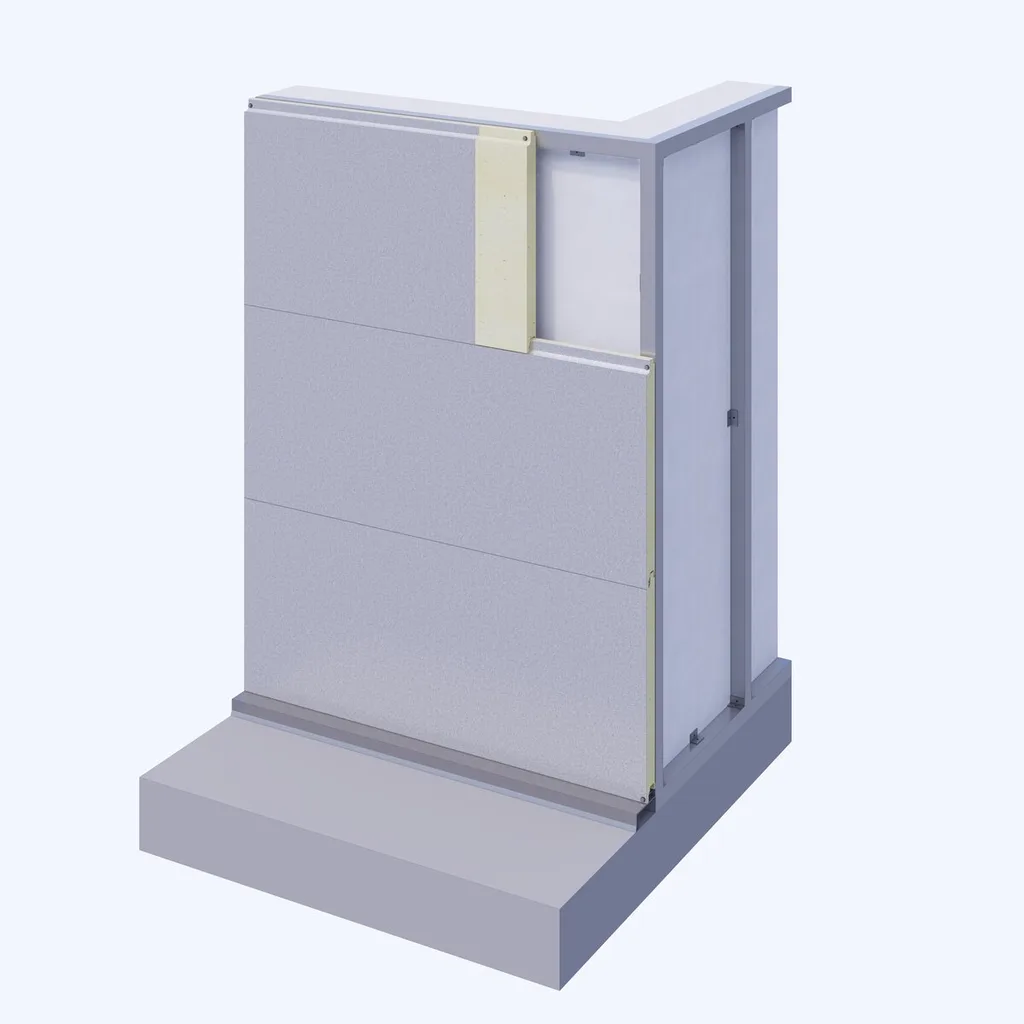
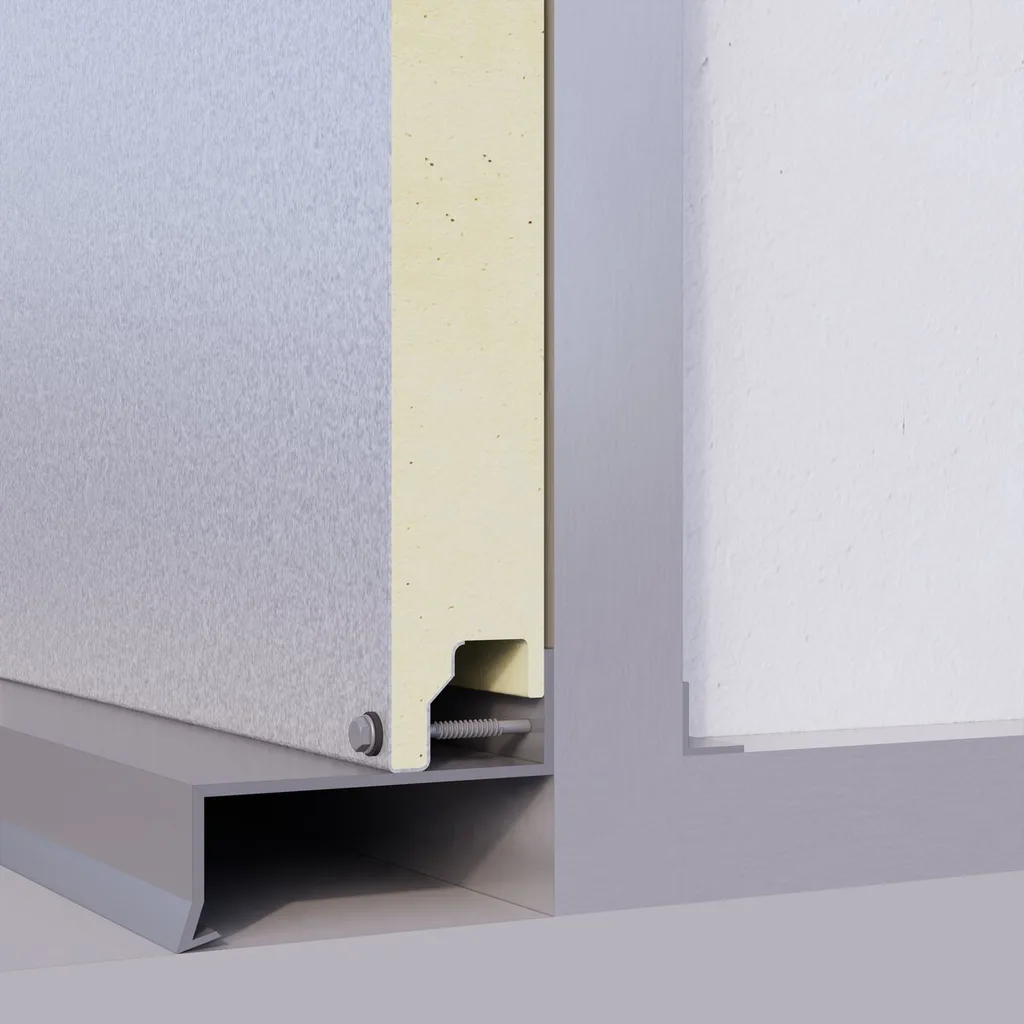
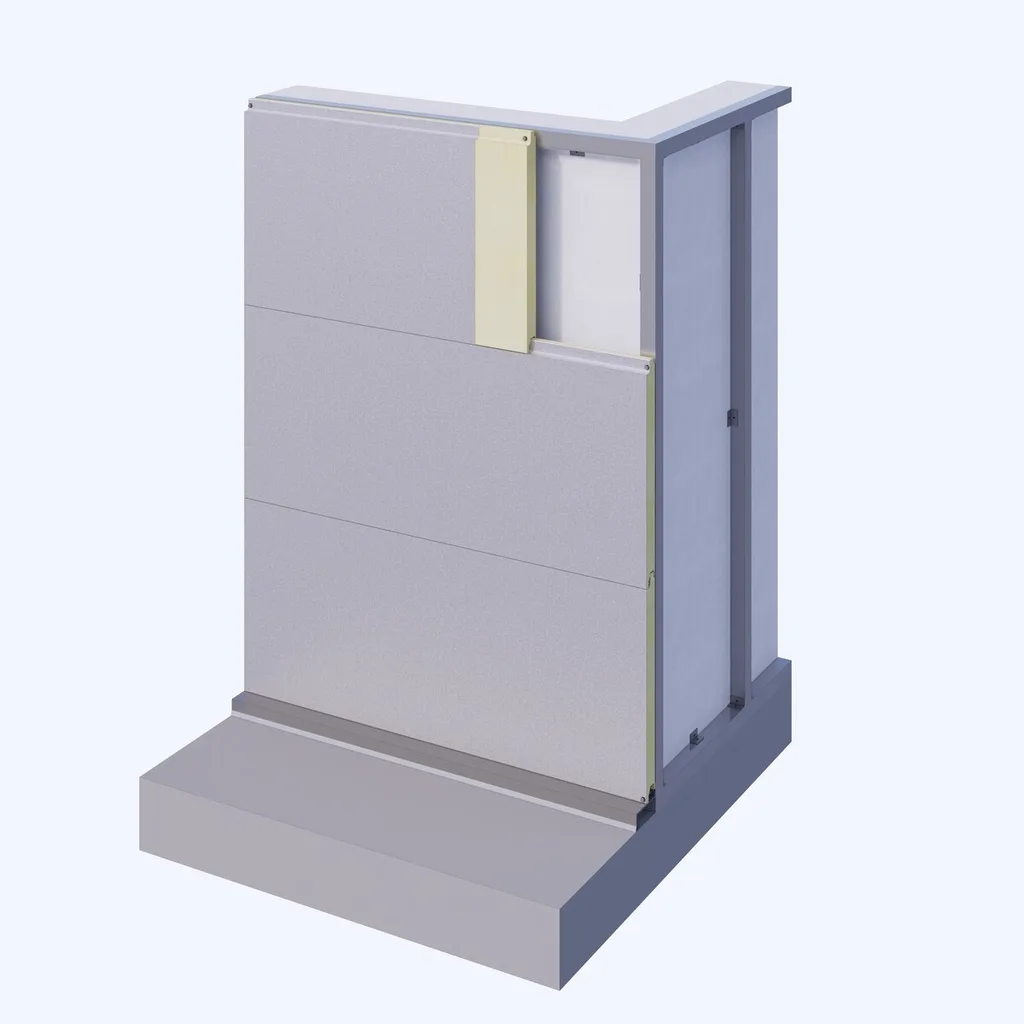
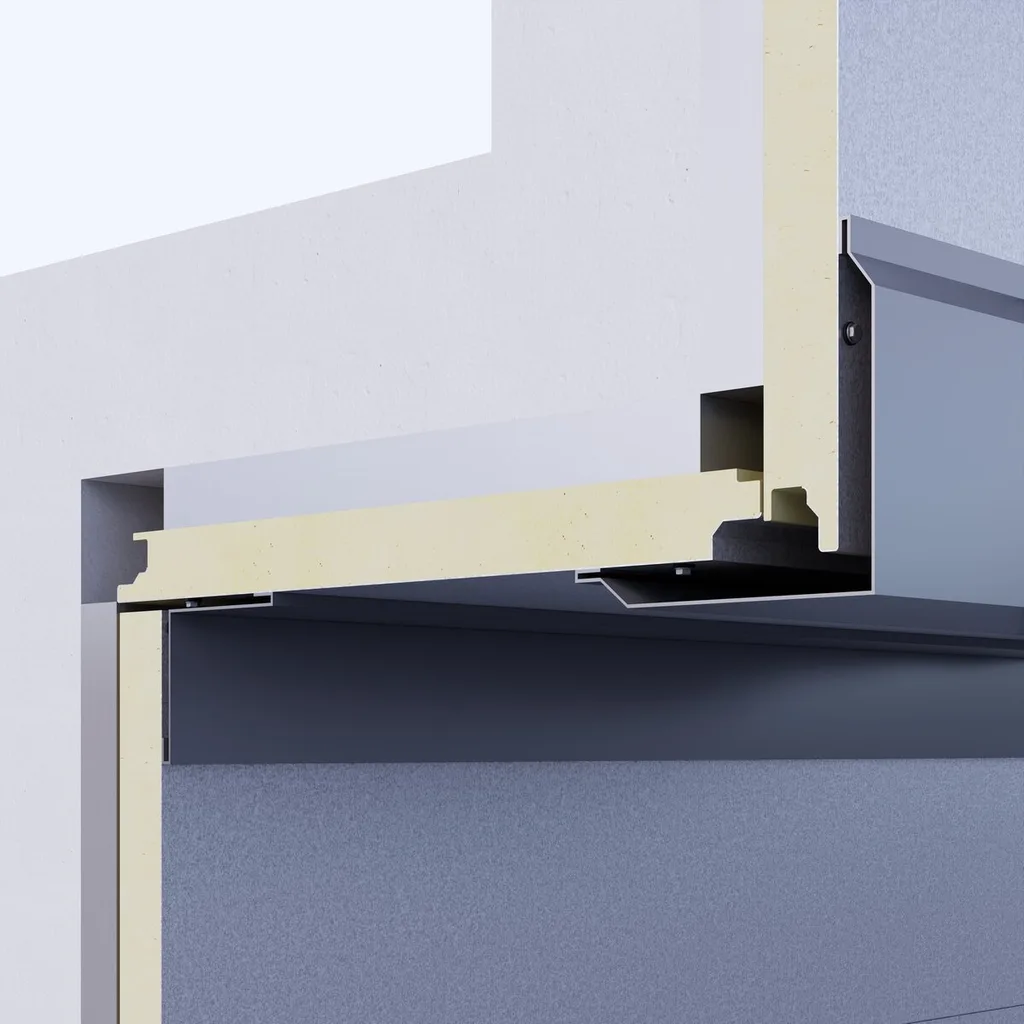
The panel is not bonded directly to the wall. A steel substructure is first fixed to the wall, the panel is attached to it, and an air cavity remains between the two. This cavity serves two purposes: it lets moisture coming from the wall escape and it prevents condensation. The wall continues to breathe after it has been clad.
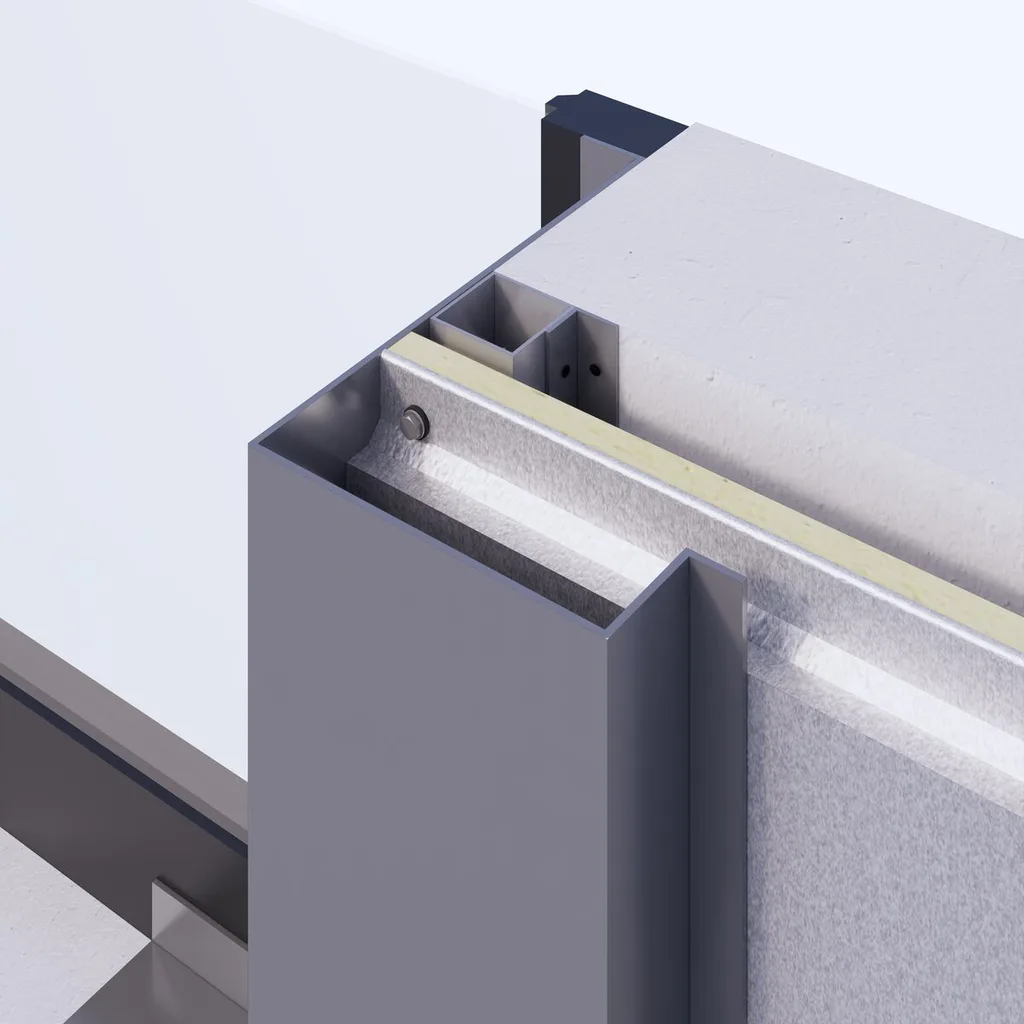
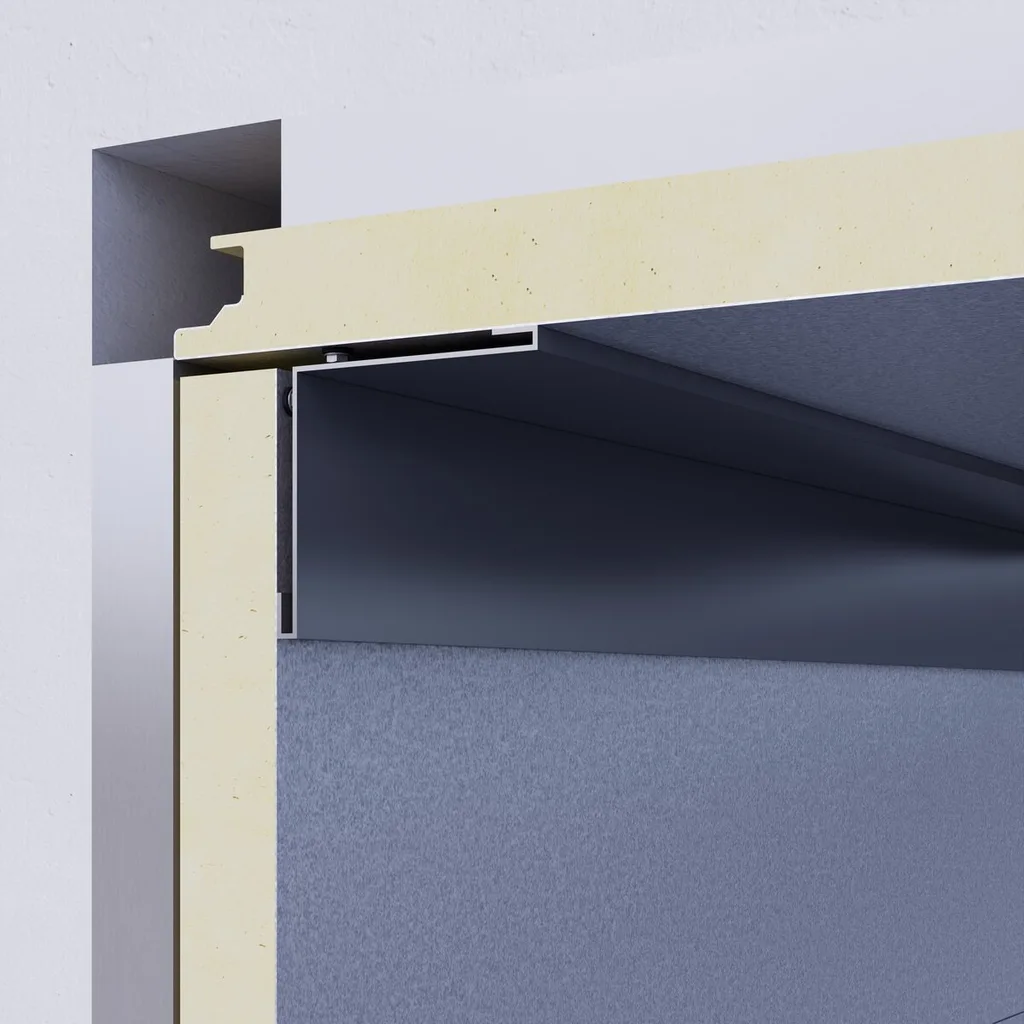
The substructure is a galvanised box section; 40x40x2 mm or 40x40x3 mm is used. A timber frame can also be used, but the spacing of the sections and the choice of fixings are calculated for each project.
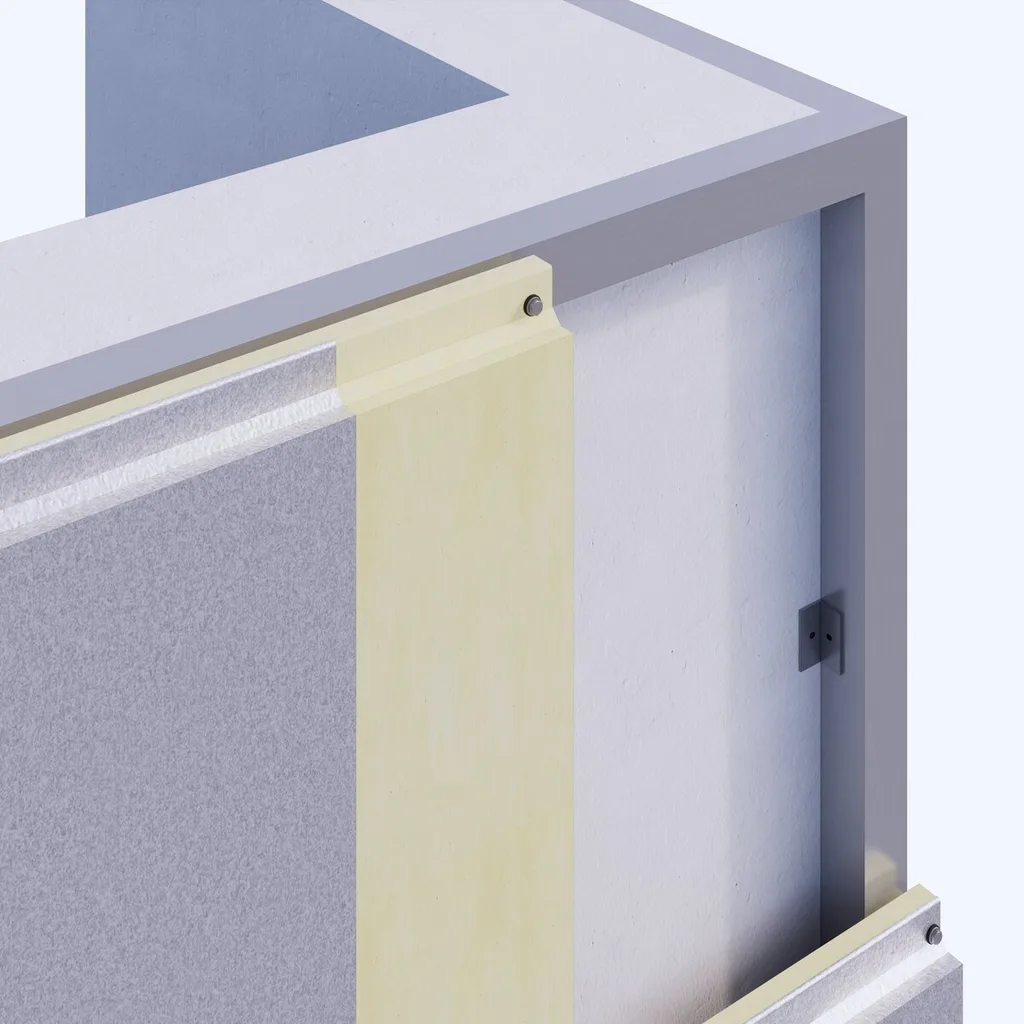
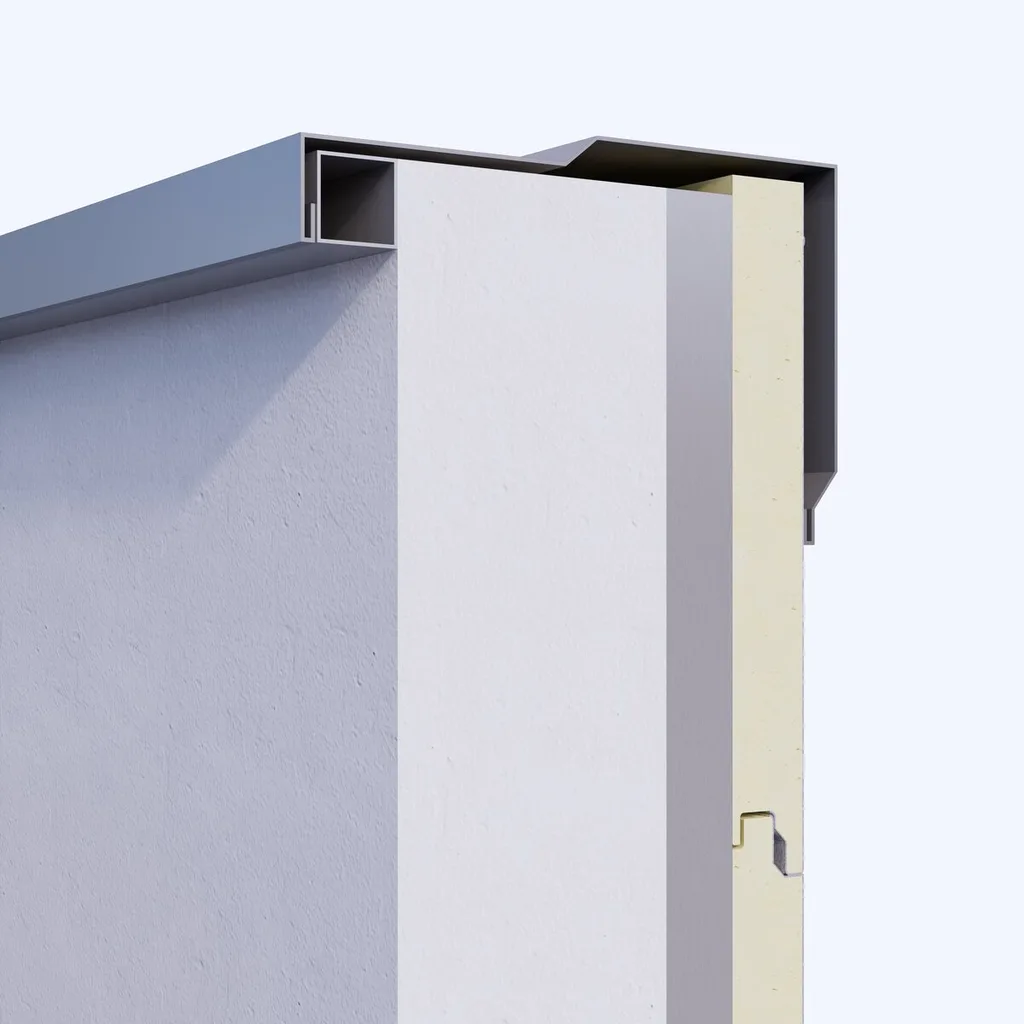
The panel ends have a concealed screw channel. The fixing screw is driven into the edge of one panel and the adjacent panel laps over it and covers the head; no screw head is visible on the facade. The exposed surface remains uninterrupted, which is also what is sought where a flat surface is required.
The surface is supplied either plain painted or patterned. Timber, stone and textured surfaces are among the available patterns; the pattern is transferred onto the steel sheet with film. On painted surfaces the coating is offered in polyester, PVDF, plastisol and DPF options, and the colour is selected from the RAL chart.
Certain work has to be completed before cladding starts: waterproofing of the foundation, terrace insulation and replacement of the windows. Air conditioning outdoor units and metal fittings mounted on the facade are removed and refitted once the cladding is finished. Installation is carried out by authorised teams.
Thickness is supplied from 40 to 120 mm and length up to 15.5 metres. With polyurethane and polyisocyanurate cores, the thermal conductivity is 0.022 W/mK, the density is 38-40 kg/m³ and the fire class is B-s1-d0.
Thickness is increased in buildings with a high insulation target; a core with low thermal conductivity gives the same U-value in a thinner section than rock wool.